



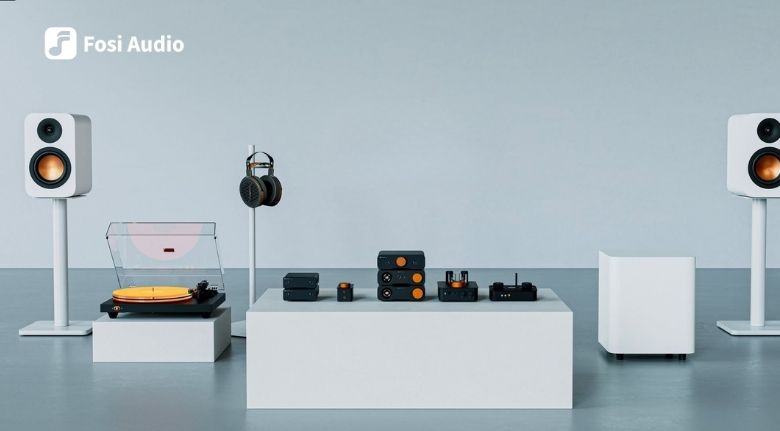
Creating a better home audio experience does not always require a large entertainment system filled with complicated equipment. For many listeners, a compact setup can deliver an enjoyable listening experience while taking up less space and remaining easier to understand, connect, and upgrade.
The challenge is knowing which components you actually need. An amplifier, speakers, DAC, preamp, streamer, and cables can all play different roles, but buying everything at once is rarely necessary. A better approach is to start with your listening habits, available space, and existing equipment, then build the system gradually.
Fosi Audio focuses on compact Hi-Fi equipment designed for different parts of the audio chain. Its current range includes amplifiers, DACs, headphone amplifiers, preamps, speakers, streamers, and accessories, giving listeners several ways to create or upgrade a home audio system.
Start With the Music You Listen to Most
Before choosing any equipment, think about how you actually listen to music. Someone who mainly streams playlists from a phone may have very different requirements from a listener who enjoys vinyl records, a desktop computer, or high-resolution digital files.
Your primary source should influence the first component you choose. If you mostly use a smartphone or computer, Bluetooth or digital connectivity may be particularly convenient. If you have a turntable, you may need equipment designed to work with a phono source. If you listen through headphones, a dedicated headphone amplifier or DAC may be more relevant than a traditional speaker setup.
Fosi Audio offers products across these different areas, including Bluetooth amplifiers, DACs, headphone amplifiers, preamps, phono-related equipment, and home audio components.
It is also worth thinking about how often you listen. If music plays quietly in the background while you work, your priorities may be different from someone who regularly sits down for focused listening sessions.
There is no single “perfect” audio system. The best starting point is the one that matches your actual habits instead of a theoretical setup you may never use.
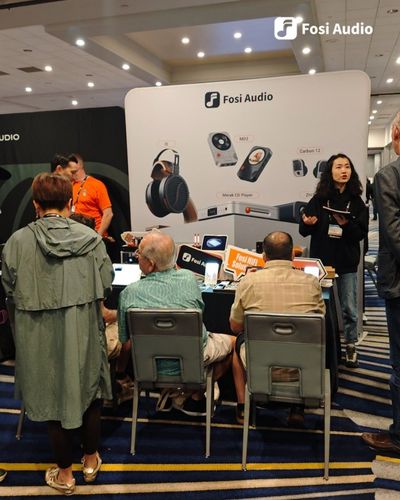
Choose an Amplifier That Matches Your System
The amplifier is an important part of a traditional speaker-based setup because it drives the speakers. However, amplifiers are available in many different configurations, so choosing one simply because it has a high power rating may not be the best strategy.
Start by checking your speakers’ requirements and the connections available on your source devices. You should also consider the size of the room and how loudly you normally listen. A compact desktop system and a larger living-room setup may require very different approaches.
Fosi Audio currently offers several amplifier categories, including 2-channel amplifiers, mono amplifiers, integrated amplifiers, Bluetooth amplifiers, 2.1-channel models, and multichannel options. Models such as the V3 Mini, ZA3, BT20A Pro, MC331, and BT30D Pro are designed for different types of setups.
Connectivity is another important consideration. If you regularly switch between different sources, look for an amplifier with inputs that accommodate your existing equipment. If wireless listening is important, a Bluetooth-enabled model may provide a convenient way to connect compatible devices.
Think about future upgrades as well. If you expect to expand your system later, selecting an amplifier with useful inputs and outputs can give you more flexibility.
Pair Your Speakers With the Room
Even an excellent amplifier cannot compensate for speakers that are poorly matched to the room. Before buying speakers, consider the size and shape of the space, listening position, furniture placement, and how much room you have available.
Bookshelf speakers can be a practical choice for desks, bedrooms, apartments, or smaller living rooms. Larger speakers may be more appropriate when you have additional space and want a different type of presentation. The important point is to avoid buying equipment simply because it looks impressive.
Fosi Audio currently offers the SP601 passive bookshelf speakers, which are designed to be paired with an amplifier rather than operating as a complete powered speaker system by themselves.
Placement also matters. Try to keep speakers positioned consistently relative to your main listening position. Avoid placing them directly against walls when the design and room allow for some space, and experiment with their angle to find a presentation you enjoy.
Your room itself becomes part of the audio system. Hard surfaces can reflect sound, while furniture, curtains, rugs, and other objects can affect how sound behaves. You do not necessarily need expensive acoustic treatment. Small changes in placement can sometimes make a noticeable difference.
Add a DAC or Preamp When You Actually Need One
A common mistake when building an audio system is buying additional components before understanding what they do. DACs and preamps can be valuable, but not every listener needs a separate unit immediately.
A DAC converts digital audio information into an analog signal that can be sent to an amplifier or another part of the audio system. A preamp can provide source selection, volume control, and other functions depending on the design.
Fosi Audio’s current range includes standalone DACs and preamps alongside integrated products. The ZD3, for example, is listed as a fully balanced desktop DAC, while products such as the P4 are positioned as compact control components for home audio.
The advantage of separating components is greater flexibility. You can upgrade one part without replacing the entire system. However, more components also mean more cables, more settings, and more equipment to manage.
For a beginner, a simple integrated solution may therefore be more practical. As you learn more about your preferences and equipment, you can decide whether a dedicated DAC or preamp would actually improve your workflow.
The goal should be better usability and listening enjoyment, not simply having more boxes on the shelf.
Make Your Setup Work for Everyday Life
A home audio system should fit naturally into your routine. If connecting everything requires several steps every time you want to listen to music, you may eventually stop using the system.
This is where convenience features can make a difference. Bluetooth connectivity can make casual listening easier, while wired connections may be preferable for certain dedicated setups. Fosi Audio offers Bluetooth amplifiers such as the BT20A Pro and other products designed around different source and listening configurations.
Think about where your equipment will live. A desktop system may need to fit beside a monitor and keyboard, while a living-room setup might need to work with a television, turntable, streaming device, or game console.
Cable management is also worth considering. Keep frequently used connections accessible and avoid creating a tangled collection of cables behind your equipment. Labeling unfamiliar cables can be useful if you regularly change components.
Another practical consideration is ventilation. Amplifiers generate heat, so avoid placing equipment somewhere with restricted airflow. Giving your components enough space can help keep the system comfortable during extended listening sessions.
A good audio setup should not feel like a technical project every time you use it. Once configured properly, it should simply become part of your home.

Upgrade Your Audio System One Step at a Time
Building an audio system gradually can be more rewarding than purchasing everything at once. Starting small allows you to understand what you like before investing in additional equipment.
You might begin with an amplifier and passive speakers. Later, you could add a DAC if your digital sources require one, a subwoofer if your system supports it and you want additional low-frequency performance, or a dedicated headphone setup for private listening.
Fosi Audio’s product range supports this type of gradual approach because the company offers components for different stages of an audio system, from compact amplifiers and Bluetooth models to DACs, preamps, headphone equipment, streamers, and speakers.
It is also useful to learn the basics before upgrading. Understanding speaker impedance, amplifier connections, source types, and basic signal flow can make future purchasing decisions much easier.
Do not feel pressured to replace equipment simply because a newer model has appeared. If your current system sounds good to you and works reliably, an upgrade should have a clear purpose. Perhaps you need additional connectivity, a smaller footprint, better integration with another source, or a new listening option.
Fosi Audio also provides product instructions and support resources for its different categories, which can be useful when setting up or troubleshooting equipment. The company currently states that its products come with a 24-month warranty and a 30-day free return policy under its listed customer-service terms.
Ultimately, building a home audio system is about creating an experience that fits you. You do not need the biggest speakers, the most expensive amplifier, or the most complicated collection of components.
Start with your music sources, understand your room, choose compatible equipment, and prioritize the features you will actually use. Then upgrade gradually when you identify a genuine need.
With compact components covering amplification, digital audio, headphones, speakers, and other parts of the listening chain, Fosi Audio gives listeners different ways to create a system around their own space and habits. The result can be a cleaner, more practical setup that makes listening to music something you look forward to every day.