




Eating well does not have to mean following complicated diets, avoiding your favourite foods, or completely changing your daily routine. Often, meaningful improvements begin with small decisions, such as adding more vegetables to a meal, choosing fibre-rich ingredients, or paying closer attention to how different foods make you feel. Understanding these choices can help you develop a more balanced relationship with food and build habits that are easier to maintain over time.
ZOE is a nutrition science company focused on gut health, personalised nutrition, and helping people make more informed food choices. Through its research, educational resources, app, and nutrition products, it encourages people to understand the relationship between food and overall wellbeing. Rather than treating healthy eating as a collection of strict rules, its approach highlights the importance of variety, scientific understanding, and habits that fit everyday life.
Understand What a Balanced Diet Really Means
Healthy eating is often presented as a long list of restrictions, which can make improving your diet feel difficult before you even begin. In reality, a balanced approach is about including a variety of nourishing foods while considering your individual needs, preferences, and lifestyle. Different foods provide different nutrients, so variety can help you build meals that are both satisfying and enjoyable.
ZOE explores how nutrition affects people differently and why personalised approaches can be more useful than assuming one diet works equally well for everyone. Its educational resources discuss topics such as gut health, fibre, blood sugar responses, and the importance of dietary variety. These ideas can help readers understand why a meal’s overall composition matters, rather than judging food by a single ingredient or calorie number.
A practical starting point is to include several food groups throughout the day. Vegetables, fruits, whole grains, beans, nuts, seeds, and suitable sources of protein can all contribute to a varied eating pattern. You do not need to transform every meal overnight. Adding a handful of vegetables to lunch or choosing wholegrain bread more often may be a manageable first step.
It is equally important to make room for foods you genuinely enjoy. An approach that feels overly restrictive can be difficult to sustain, particularly when it conflicts with your cultural traditions, family meals, or social life. Instead, focus on building meals that provide nourishment and satisfaction together.
Remember that nutritional needs vary according to factors such as age, activity level, and health circumstances. General nutrition information can support everyday decisions, but it cannot replace individual medical advice when you have specific dietary requirements. A flexible, informed approach makes healthy eating more realistic and sustainable.
Give Your Gut a Greater Variety of Plant Foods
Your digestive system contains a complex community of microorganisms known as the gut microbiome. These microbes interact with the foods you eat, and researchers continue to investigate how the microbiome relates to digestion and broader aspects of health. Although gut health is a complicated subject, dietary variety is one practical area worth exploring.
ZOE places considerable emphasis on gut health research and the relationship between food choices and the gut microbiome. Its educational content encourages people to consider the range of plant foods in their diets, including vegetables, fruits, whole grains, legumes, nuts, and seeds. Different plants contain different fibres and other compounds, making variety a useful principle when planning meals.
You can increase variety without buying expensive ingredients or preparing elaborate recipes. Add beans to soup, sprinkle seeds over porridge, include different vegetables in a sandwich, or combine several types of fruit in a snack. Frozen vegetables and fruit can also be convenient options, depending on availability and personal preference.
Try experimenting with one unfamiliar plant food each week. Lentils might become part of a weekday curry, while oats could provide a simple breakfast option. If you enjoy cooking, explore recipes that combine several ingredients in a single dish. If time is limited, prepare a few basic ingredients in advance and use them in different meals.
The goal is not to count every plant or follow a perfect daily target. It is to create a pattern that gradually introduces more variety into your normal routine. People differ in their tolerance for particular foods, so increase fibre gradually and drink enough fluids. If certain foods cause persistent discomfort, consider discussing the issue with a qualified healthcare professional.
A varied diet can make meals more interesting while supporting a broader range of nutritional needs. Small additions, repeated consistently, may be easier to maintain than dramatic dietary changes.
Make Smarter Choices Without Following Strict Rules
Nutrition advice can become confusing when different sources recommend conflicting approaches. One trend encourages avoiding carbohydrates, another promotes a particular eating schedule, and another suggests that a single ingredient holds the answer to better health. Sorting through these messages requires a practical understanding of nutrition and a willingness to question oversimplified claims.
ZOE promotes a science-led approach that encourages people to learn about food rather than relying exclusively on rigid rules. Its resources explore how meal composition and individual responses can influence nutrition, while its app supports more mindful reflection on everyday food choices. These tools can encourage curiosity, although their information should be understood as general wellness guidance rather than a diagnosis or treatment.
When planning a meal, consider how different components work together. A meal containing vegetables, a source of protein, and fibre-rich carbohydrates may provide a useful combination of nutrients and help you feel satisfied. Adding healthy fats from foods such as nuts, seeds, or olive oil can contribute flavour and texture.
You can also pay attention to how a meal affects your energy and comfort. Notice whether you feel satisfied afterwards, whether the portion suits your appetite, and whether the meal fits your daily activities. Such observations may help you recognise useful patterns without turning every meal into a strict assessment.
Be cautious about claims that label individual foods as universally good or bad. The overall eating pattern, portion sizes, preparation methods, and personal circumstances all matter. A food that suits one person may not suit another, and a single meal rarely defines the quality of an entire diet.
For lasting progress, focus on changes that feel achievable. Prepare breakfast in advance, keep convenient nutritious ingredients available, or cook an extra portion for the next day. Consistency is generally more practical than pursuing perfection, and flexibility helps healthy habits survive busy schedules and changing circumstances.
Use Technology to Become More Mindful of Food
Technology can make nutrition information easier to access, but the most useful tools are those that help you understand your habits without creating unnecessary pressure. A food diary, meal-planning application, or simple notes on your phone can help you identify patterns and remember which meals work well for your routine.
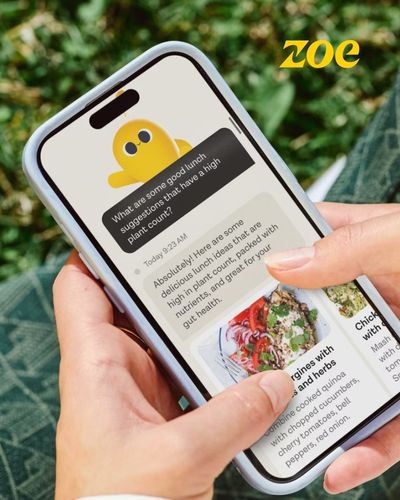
ZOE offers a health app that encourages users to scan or photograph food, reflect on meals, and learn more about their choices. Its wider nutrition approach draws on scientific research to make food information more accessible. Features and access requirements may vary, so check the current official website or app listing before deciding which options are suitable for you.
If you use a food-tracking tool, begin with a clear purpose. You might want to remember which vegetables you enjoy, plan a more varied weekly menu, or notice whether you regularly skip meals when work becomes busy. Recording a few useful observations can be more manageable than tracking every detail of your diet.
Avoid treating an application’s score as a complete judgement of a meal. Food contains many nutritional components, and an automated assessment cannot fully understand every aspect of your circumstances. Scores and recommendations are best treated as educational prompts rather than absolute rules.
Privacy is another consideration. Before using a nutrition app, review its privacy information and understand what data it collects, how that information is used, and which permissions you grant. Food photographs and health-related details can reveal personal information, so choose settings that reflect your comfort level.
Technology should support your decisions rather than replace your judgement. If tracking begins to make eating stressful or overly restrictive, taking a break may be helpful. The purpose is to develop a more informed and comfortable relationship with food, not to make every meal feel like an assignment.
Build Healthy Eating Habits Around Your Daily Routine
Even the best nutrition advice is difficult to follow when it does not fit your everyday life. Long working hours, limited cooking facilities, changing schedules, and family responsibilities can all affect what you eat. Creating habits around your actual circumstances makes healthy choices more achievable.
ZOE’s nutrition education encourages a flexible approach that focuses on improving food choices rather than relying on strict restrictions. You can apply this principle by identifying small adjustments that fit your existing routine. If mornings are rushed, prepare overnight oats or organise breakfast ingredients the evening before. If lunch is often purchased outside, look for options that combine vegetables, protein, and fibre-rich foods when available.
Meal planning can also reduce decision fatigue. Choose a few meals for the week, prepare a shopping list, and keep versatile ingredients on hand. Rice, oats, beans, eggs, frozen vegetables, and other convenient staples can be used in different combinations depending on your preferences and local availability.
Cooking in batches may save time on busy days. Prepare a pot of soup, roast vegetables, or cook a suitable protein that can be incorporated into several meals. You do not need to prepare every meal from scratch to develop a balanced eating pattern. Convenience foods can also have a place in everyday life, particularly when they help you eat regularly and meet your needs.
Try changing one habit at a time. For example, include fruit with breakfast for a week before deciding on another adjustment. Small goals are easier to evaluate and can build confidence as they become familiar.
It is also helpful to consider sleep, physical activity, hydration, and stress management alongside nutrition. These areas interact with everyday wellbeing, although individual needs differ. Avoid expecting a single food or product to solve every health concern.
The most successful routine is one you can maintain through ordinary weeks, celebrations, travel, and unexpected changes. Flexibility allows healthy habits to become part of your life rather than a temporary project.

Turn Nutrition Knowledge Into Lasting Progress
Learning about nutrition is most valuable when information leads to realistic choices. You do not need to understand every scientific study or follow every new trend to make useful improvements. Start with the basics, remain curious, and allow your habits to develop gradually as you learn what works for you.
ZOE brings together nutrition research, educational resources, its app, and products designed around gut health. Exploring these resources can help you learn more about dietary variety, the gut microbiome, and mindful food choices. Before purchasing a product or membership, review the current features, costs, availability, and terms to make sure they match your needs.
A simple way to begin is to review your typical meals over several days. Identify what you already enjoy and consider where small additions could improve variety. You might include more vegetables at dinner, try a different whole grain, or add beans to a familiar recipe. These changes can be more practical than replacing your entire diet at once.
Keep your expectations realistic. Nutrition is only one part of health, and no app, supplement, or meal plan can guarantee a particular outcome. Products may be useful for some people, but they are not essential for everyone. A balanced eating pattern can often be developed using ordinary foods that are accessible within your budget and cultural preferences.
If you have a medical condition, take medication that affects dietary needs, or experience ongoing digestive symptoms, consult a qualified healthcare professional for personalised advice. Nutrition apps and educational content are not substitutes for medical assessment.
Ultimately, building healthier eating habits is a process of making informed decisions repeatedly. By focusing on variety, staying open to learning, and choosing changes that fit your life, you can develop a more thoughtful approach to food. Start with one achievable step, give yourself time to adapt, and build from there.