



Why Traditional Productivity Systems No Longer Work for Everyone
Modern life is filled with information. Between work projects, personal goals, study notes, meeting schedules, and creative ideas, keeping everything organized has become more challenging than ever. Many people rely on multiple apps to manage different parts of their lives, using one platform for notes, another for task management, a separate calendar, and yet another tool for collaboration. While this approach may seem practical at first, switching between different applications often leads to unnecessary distractions and wasted time.
Today’s professionals, students, freelancers, and business owners increasingly prefer digital workspaces that bring everything together in one place. Instead of constantly searching for files or remembering where information was saved, they want a centralized system that makes productivity feel simple rather than complicated.
This shift has helped platforms like Notion become an essential part of modern workflows. Rather than functioning as a single-purpose application, Notion combines documents, project management, databases, note-taking, collaboration, and knowledge sharing into one flexible workspace. Users can customize it according to their own workflow instead of adapting their workflow to rigid software limitations.
One of the biggest advantages of this flexibility is that every user works differently. A university student may organize lecture notes and assignment deadlines, while a marketing agency manages client projects, content calendars, and meeting documentation within the same workspace. Entrepreneurs often use it to track business goals, finances, product development, and long-term planning without juggling multiple applications.
As digital work continues to evolve, productivity is no longer about working harder. It is about building systems that eliminate unnecessary complexity and allow people to focus on meaningful work.
Creating One Workspace for Every Part of Your Life
One of the biggest productivity challenges is scattered information. Important documents live in cloud storage, meeting notes remain inside messaging apps, task lists are written elsewhere, and project timelines exist in another platform entirely.
This constant switching creates friction throughout the day.
Instead of spending time completing meaningful work, people often waste valuable minutes searching for information or updating multiple tools with the same details.
Notion addresses this challenge by allowing users to build a centralized workspace that fits both personal and professional needs. Everything from daily to-do lists and weekly planners to company documentation and long-term projects can exist in one organized location.
The platform’s flexibility allows users to create systems that reflect how they naturally think and work. Some people prefer visual project boards, while others organize information through detailed databases, calendars, or simple documents. Rather than forcing one workflow on everyone, Notion adapts to different working styles.
Students can create organized class notes linked directly to assignment trackers. Freelancers may manage client information, invoices, proposals, and content schedules from a single dashboard. Small businesses often build internal knowledge bases that help employees quickly find company policies, training materials, and project documentation.
This level of organization reduces confusion, improves communication, and makes everyday work feel significantly more manageable.
Collaboration Becomes Simpler When Everyone Works Together
Successful projects depend on clear communication. Unfortunately, information often becomes scattered across emails, chat messages, spreadsheets, and separate documents, making collaboration slower than it needs to be.
Modern teams benefit from having one shared workspace where everyone can contribute, edit, comment, and stay updated without constantly requesting the latest version of a document.
Notion supports this collaborative approach by giving teams a centralized environment for planning, documenting, and tracking progress. Instead of maintaining separate files across multiple applications, project information remains connected and easily accessible.
For growing businesses, this creates significant efficiency improvements. Marketing campaigns, product roadmaps, meeting notes, onboarding documents, content calendars, and company knowledge can all be organized within connected workspaces that evolve as the organization grows.
Remote work has also increased the need for better collaboration tools. Distributed teams often work across different time zones, making asynchronous communication more important than ever. Having well-organized documentation allows employees to find answers independently without waiting for meetings or email responses.
Even individual users benefit from collaborative features. Families can organize travel plans, shared shopping lists, household budgets, or event planning together. Students working on group assignments can coordinate research, deadlines, and presentation materials within a single shared workspace.
As more organizations embrace flexible working environments, productivity increasingly depends on systems that encourage transparency, organization, and efficient communication rather than constant meetings and endless email chains.
Using Notion to Build Better Personal Productivity Habits
Productivity isn’t just about completing more tasks—it’s about creating systems that help you focus on what truly matters. Without an organized approach, even simple responsibilities can become overwhelming as deadlines, appointments, and ideas compete for attention.
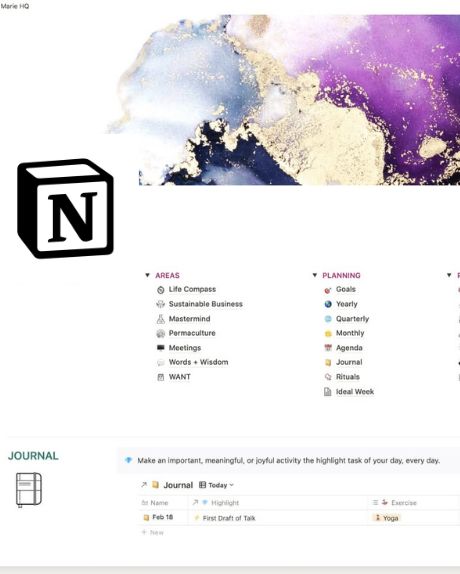
Notion makes it easier to build routines that support both personal and professional goals. Instead of relying on sticky notes, scattered notebooks, or multiple productivity apps, users can create customized dashboards that bring everything together in one place.
A daily planner can include task lists, meeting schedules, personal reminders, and habit trackers. Weekly review pages allow users to evaluate progress, while long-term planning dashboards help keep larger goals visible throughout the year.
Students often use Notion to organize lecture notes, assignment deadlines, revision schedules, and research materials. Professionals may build career development plans, meeting notes, and project timelines, while entrepreneurs frequently manage business operations, marketing calendars, and financial planning from a single workspace.
Another major advantage is flexibility. Productivity methods evolve over time, and digital workspaces should evolve with them. Notion allows users to update layouts, reorganize pages, and improve workflows without starting from scratch.
This adaptability encourages long-term organization rather than short-lived productivity systems that quickly become outdated.
How AI and Automation Make Everyday Work More Efficient
Technology continues to reshape how people work, and artificial intelligence has become an increasingly valuable productivity tool. Rather than replacing creativity, AI helps reduce repetitive work, allowing users to spend more time on strategic thinking and problem-solving.
Notion integrates AI-powered features that assist with drafting content, summarizing information, organizing notes, brainstorming ideas, and improving written communication. These capabilities help individuals and teams complete routine tasks more efficiently while maintaining control over their work.
For content creators, AI can help generate outlines, summarize research, or organize information into structured documents. Business professionals may use it to prepare meeting summaries, improve documentation, or simplify internal communication. Students can organize research materials and create clearer study notes, while entrepreneurs often streamline planning and documentation.
Automation also contributes to better productivity by reducing manual updates across projects. Organized databases, templates, recurring workflows, and structured documentation minimize repetitive administrative work, allowing users to focus on meaningful progress instead of routine maintenance.
As AI technology continues to evolve, productivity platforms are becoming smarter while remaining flexible enough to support different industries and working styles.
The goal is not simply completing work faster—it is creating more time for creativity, collaboration, and thoughtful decision-making.
Why Notion Continues to Be a Preferred Workspace for Modern Teams
The workplace has changed dramatically over the past decade. Hybrid work, remote collaboration, digital entrepreneurship, and independent freelancing have created new demands for software that is flexible, scalable, and easy to adapt.
Notion continues to stand out because it supports individuals, startups, growing businesses, educational institutions, and enterprise teams without forcing every user into the same rigid structure.
Instead of providing a fixed workflow, the platform allows users to build systems that match their goals. A small creative agency may organize client projects, while a software company manages product development. A university student may create a study planner, and a content creator may organize editorial calendars and publishing schedules—all within the same platform.
This flexibility makes Notion more than just a note-taking application. It becomes a digital workspace that grows alongside changing priorities, new projects, and expanding teams.
Another reason for its popularity is its active user community. Professionals, educators, students, and creators regularly share productivity ideas, templates, and workflow inspiration, helping new users discover practical ways to organize their work more effectively.
If you’re considering improving your digital organization, it’s worth exploring the latest features, workspace templates, and seasonal promotions that may be available from time to time. These general promotional periods can provide a great opportunity to discover new tools and expand your productivity system.
Ultimately, productivity isn’t measured by how busy you appear. It is measured by how effectively you organize information, manage priorities, and create space for meaningful work. With a flexible digital workspace, staying organized becomes less stressful and significantly more rewarding.
Organize Your Work Smarter with Notion
Whether you’re managing personal projects, collaborating with a team, studying for exams, or growing your business, Notion provides the flexibility to create a workspace that fits your unique workflow. Explore the latest features, templates, and seasonal promotions to discover new ways to stay productive every day.