


Running a successful boutique is about much more than finding attractive products. Retailers need to understand what their customers want, maintain a balanced inventory, respond to changing trends, and make purchasing decisions that support healthy margins. A product may look exciting when you first discover it, but the real question is whether it fits your customers and can contribute to the overall success of your store.
For independent boutiques and growing retailers, wholesale sourcing can become a major part of this process. Having access to multiple vendors and product categories makes it easier to build an assortment that feels fresh without relying on a single supplier. FASHIONGO is a B2B online wholesale marketplace that connects retailers with wholesale vendors and provides tools designed to make sourcing, purchasing, and business growth more efficient.
Understand What Your Customers Actually Want
The foundation of a strong product assortment is knowing your customer. Before adding new inventory, retailers should consider who regularly shops at their store, what price ranges they prefer, which styles receive the most attention, and what products customers frequently ask for.
Customer behavior can provide useful information. If certain colors, silhouettes, sizes, or product categories consistently perform well, those patterns can influence future purchasing decisions. At the same time, it is important to leave some room for experimentation so that the store does not become too predictable.
FASHIONGO gives retailers access to a broad wholesale marketplace where they can explore categories including women’s apparel, shoes, bags, jewelry, accessories, beauty, men’s products, kids and baby items, home, lifestyle, and retailer supplies. This variety allows buyers to compare different possibilities while building an assortment that reflects their particular customer base.
Retailers can also think about their customers in terms of shopping occasions. Some customers may be looking for everyday basics, while others want statement pieces, seasonal products, gifts, or items for special occasions. Understanding these different needs can help create a more balanced store.
Create a Balance Between Best Sellers and New Trends
A boutique needs products that customers already understand, but it also needs newness. Selling only familiar basics can make a store feel repetitive, while filling the entire inventory with experimental trends can create unnecessary purchasing risk.
A balanced assortment can include dependable products alongside carefully selected new styles. Best sellers can provide consistency, while new arrivals give existing customers a reason to return and see what has changed.
FASHIONGO highlights real-time trend information and best-seller insights to help retailers make more informed purchasing decisions. Its marketplace also includes sections such as Best Sellers, New Arrivals, Collections, Preorders, and Sale, making it easier for buyers to explore products according to their purchasing strategy.
Trend forecasting does not mean predicting every product that will become popular. Instead, retailers can look for patterns and decide which trends make sense for their audience. A boutique serving customers who prefer classic styles may introduce a trend through a few carefully selected pieces rather than changing its entire inventory.
This approach allows retailers to stay current without losing the identity that makes their store recognizable.
Make Wholesale Purchasing More Efficient
Time is one of the biggest challenges for independent retailers. Visiting multiple suppliers, comparing products, checking prices, tracking orders, and searching for new styles can take hours. A more organized sourcing process can make purchasing considerably easier.
A centralized wholesale marketplace can help reduce some of that complexity by bringing different vendors and product categories into one place. Retailers can browse products, compare options, organize purchases, and discover new suppliers without having to manage every part of the sourcing process separately.
FASHIONGO describes its platform as a one-stop wholesale marketplace and currently says it has millions of products to browse, thousands of selected wholesale brands, and more than one million registered retail buyers.
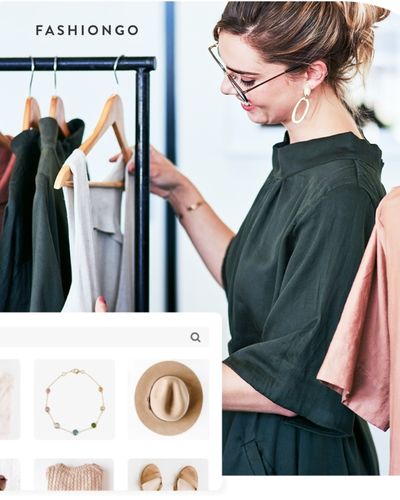
The platform also offers Style Match, an image-based search tool that allows retailers to upload an image and find similar styles from its marketplace. This can be particularly useful when a buyer has a specific visual direction in mind but does not know which vendor or product category to search for.
Instead of searching only through words, retailers can use visual inspiration as part of the sourcing process. This can make it easier to discover products that fit an existing collection or a particular seasonal concept.
Manage Inventory With Your Budget in Mind
Choosing the right products is only one part of wholesale buying. Retailers also need to think about how much inventory they can realistically afford to carry. Buying too little can result in missed sales opportunities, while buying too much can tie up money in products that take longer to sell.
A useful strategy is to divide purchasing into different priorities. A larger portion of the budget can be reserved for proven categories, while a smaller amount can be allocated to new trends and experimental products. As sales data becomes available, future purchases can be adjusted accordingly.
FASHIONGO offers several features designed to support retailer purchasing. Its current platform includes Dynamic Net Terms, which can allow approved buyers to pay after selling with terms of 30, 45, or 60 days. Eligibility and conditions apply, so retailers should review the specific requirements before relying on the option as part of their cash-flow planning.
Shipping costs can also affect the profitability of wholesale purchases. FASHIONGO currently promotes FG Free Shipping, with free shipping thresholds depending on the type of vendor and order. The platform states that qualifying orders can receive free shipping without a subscription fee.
Careful purchasing is therefore not simply about finding the lowest wholesale price. Retailers should consider product cost, shipping, expected selling price, inventory turnover, and the amount of cash committed to each purchase.
Use Wholesale Tools to Discover More Opportunities
Successful retail buying involves continuous discovery. Customers’ preferences change, competitors introduce new products, and seasonal demand creates new opportunities. Retailers who regularly explore the wholesale market may be better positioned to refresh their assortment.
FASHIONGO offers several tools that can support this discovery process. FASHIONGO Live allows retailers to interact with brands in real time while viewing new arrivals and best sellers. The platform also organizes products through collections and other discovery-focused sections.
These tools can be particularly useful for smaller retailers that do not have large buying teams. Instead of relying entirely on occasional sourcing trips or supplier introductions, boutique owners can explore products digitally and discover vendors that may fit their store.
Retailers can also use product discovery as an opportunity to learn. When browsing new collections, pay attention to repeated colors, materials, silhouettes, accessories, and styling concepts. Even products that are not purchased can provide useful information about where the market is moving.
Wholesale sourcing becomes more valuable when it is treated as an ongoing research process rather than a single purchasing event.

Build an Assortment That Gives Customers a Reason to Return
The ultimate goal of inventory planning is not simply to fill shelves or add more products to an online store. A strong assortment should create a shopping experience that feels relevant, consistent, and fresh.
One way to achieve this is by creating connections between products. A boutique could combine clothing with accessories, shoes, bags, jewelry, or beauty products that complement the main collection. This can make the store feel more curated and give customers additional reasons to explore different categories.
FASHIONGO’s broad marketplace makes this type of cross-category sourcing possible, with products spanning fashion, accessories, beauty, home, lifestyle, and retailer supplies.
Retailers should also regularly review what is working. Which products sell quickly? Which items receive attention but do not convert into purchases? Which price points perform best? Which categories generate repeat customers? Answering these questions can help shape future buying decisions.
A boutique does not need to carry everything. In fact, a carefully selected assortment can often be more effective than an overwhelming one. The goal is to create a product mix that feels intentional and reflects the identity of the store.
With access to multiple vendors, trend information, visual search, best-seller insights, live shopping experiences, and purchasing tools, FASHIONGO can support retailers as they develop and refine their wholesale sourcing strategy.
Building a successful boutique takes time, experimentation, and continuous learning. The strongest retailers do not simply chase every new trend. They understand their customers, monitor what sells, manage their purchasing budget carefully, and introduce new products in a way that complements their existing assortment.
Wholesale sourcing becomes much more powerful when every purchase has a purpose. Whether a retailer is looking for reliable best sellers, seasonal products, emerging trends, or complementary categories, a structured approach can make inventory decisions more confident and sustainable.
With the right combination of customer insight, trend awareness, financial planning, and smart sourcing, a boutique can keep its assortment exciting while building a stronger foundation for long-term growth.