


Trade shows, conferences, exhibitions, and business events can create valuable opportunities for companies. In just a few hours, sales representatives can meet potential customers, reconnect with existing contacts, discover industry trends, and introduce their products to new audiences. However, attending an event does not automatically guarantee useful results.
The real challenge begins when dozens or hundreds of conversations happen in a short period. Teams need to collect accurate contact information, remember important details, identify promising prospects, and follow up while the conversations are still fresh. Without an organized process, valuable leads can easily become lost among paper business cards, scattered notes, and manually entered contacts.
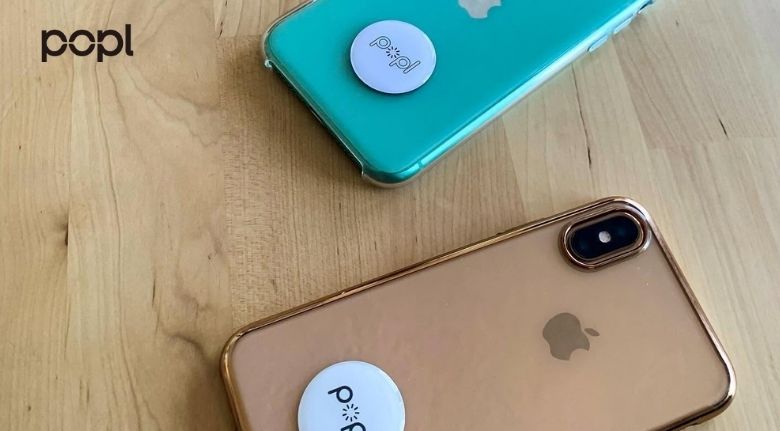
Popl approaches event networking as a connected digital process. Its tools can support digital business card sharing, lead capture, contact management, analytics, and team workflows, helping businesses turn face-to-face interactions into more organized opportunities.
Prepare Your Team Before the Event Begins
Good event results start before the first visitor arrives at a booth. Sales representatives should know what the company wants to achieve, which audiences it wants to reach, and what information should be collected from potential customers.
A simple pre-event plan can include goals such as generating a specific number of qualified leads, arranging follow-up meetings, introducing a new product, or strengthening relationships with existing clients. Team members should also understand their individual responsibilities so that everyone is not trying to accomplish the same task.
Popl can help create consistency before the event by giving team members digital profiles that can be updated without printing new cards. Businesses can maintain branding across team members while allowing individual profiles to contain relevant professional information.
It is also worth checking every profile before leaving for the event. Job titles, phone numbers, email addresses, profile photos, company information, and important links should be accurate. A few minutes of preparation can prevent awkward corrections when meeting potential customers.
Make Booth Conversations Easier to Continue
A trade show booth may attract many different types of visitors. Some people may be ready to discuss a purchase, others may be researching solutions, and some may simply want to learn more about the company. The way a team handles these conversations can influence what happens afterward.
Instead of treating every visitor exactly the same, representatives can use short questions to understand what each person needs. Asking about their role, current challenge, purchasing timeline, or area of interest can help determine whether the person is a high-priority prospect or simply someone interested in learning more.
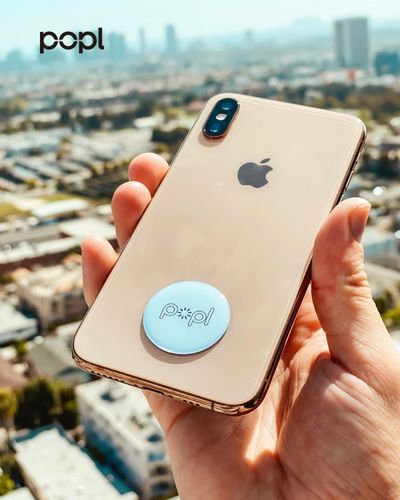
Popl supports digital lead capture through tools such as QR codes, profile links, digital cards, and lead capture forms. Its current help resources also describe features for capturing leads, using lead qualifiers, scanning business cards, and managing contacts from the app or dashboard.
This can make the transition from conversation to contact much smoother. Rather than asking a visitor to manually type every detail into a phone, teams can use a digital process designed to capture relevant information quickly.
The important part is still the human conversation. Technology should reduce administrative work without replacing genuine interaction. A useful discussion followed by an organized contact record is much more valuable than collecting information without understanding the person behind it.
Capture More Than Just a Name and Email
A name and email address are useful, but they rarely explain why someone might become a customer. Event teams can improve their follow-up by recording additional context while the conversation is still fresh.
For example, a salesperson might note that a prospect is interested in a particular product, needs a demonstration, is comparing suppliers, or wants to speak with someone from another department. These details can completely change the quality of the follow-up message.
Popl’s current tools include lead capture forms and lead qualifiers, allowing teams to gather information beyond basic contact details. The platform also provides contact-management capabilities that can help teams keep new connections organized.
This information can help sales representatives prioritize their next actions. A prospect requesting a product demonstration may require immediate attention, while someone who simply asked to receive general information can receive a less urgent follow-up.
The goal is not to turn every conversation into a lengthy questionnaire. Event interactions should remain natural. A few well-chosen details can be enough to remind a salesperson what mattered most during the conversation.
Give Every Lead a Clear Next Step
Collecting leads is only the beginning. One of the biggest mistakes businesses can make after an event is allowing contacts to sit untouched until the team has time to review them.
A stronger approach is to establish the next step before the event ends whenever possible. If a prospect is interested in a meeting, arrange a suitable follow-up. If they want a product presentation, make a note to send it. If they need pricing information, assign that task to the appropriate team member.
Popl’s platform is built around moving contacts into an organized follow-up process, with features that can connect networking activity to CRM and sales workflows. Its current materials highlight CRM integration, analytics, lead management, and automated follow-up capabilities.
Timing matters because event attendees meet many people. A follow-up message that arrives while the conversation is still memorable can feel much more relevant than a generic message sent weeks later.
Personalization also makes a difference. Instead of writing, “It was great meeting you at the event,” a salesperson can refer to the actual discussion. Mentioning the prospect’s challenge or the product they asked about makes the communication feel like a continuation of the conversation rather than a mass marketing email.
Use Event Data to Improve Your Next Exhibition
After the event is over, teams should not simply move on to the next task. The information collected during an exhibition can reveal what worked and what needs improvement.
Managers can review questions such as how many people interacted with the team, how many contacts were captured, which representatives generated the most engagement, and which event activities produced the strongest opportunities. This information can help companies make better decisions about future events.
Popl provides analytics designed to show how people interact with digital business cards and networking assets. Its platform has highlighted metrics such as card views, contact downloads, link interactions, and lead activity, giving teams more visibility than traditional paper cards can provide.
This information can also influence booth strategy. If one type of content receives significantly more engagement than another, the team can make that content more prominent at future events. If a particular employee consistently generates strong interactions, managers can study their approach and share useful practices with the wider team.
The objective is not simply to collect statistics. Data becomes valuable when it leads to better decisions. Each event should teach the company something that can improve the next one.

Create a Repeatable Event Networking System
The best event strategy is one that can be repeated. Instead of creating a completely new process for every conference, businesses can develop a standard workflow that employees understand before they arrive.
That workflow might include profile preparation, team assignments, lead qualification, digital contact sharing, notes, follow-up responsibilities, CRM synchronization, and post-event performance review. Having a consistent system makes it easier to onboard new employees and maintain the same professional experience across different events.
Popl Teams is designed to help organizations manage digital business cards and networking activity across teams. Current team resources describe branded profiles, instant sharing, basic lead capture, contact exports, CRM connections, and engagement analytics as part of its digital business card capabilities.
This can be especially useful for companies that attend multiple events throughout the year. A sales team might participate in industry conferences, exhibitions, local business events, client meetings, and networking sessions. Having one organized approach means employees do not have to reinvent their contact-sharing process every time.
Ultimately, a successful conference is not measured only by how many people visit a booth. The real value comes from what happens after those conversations. Accurate information, meaningful notes, timely follow-ups, and useful performance data can turn short introductions into longer-term business relationships.
By combining face-to-face communication with digital tools, Popl gives businesses a way to make event networking more organized and measurable. Instead of returning from a conference with a pile of business cards and uncertain next steps, teams can leave with structured contacts, clearer priorities, and a process for continuing the conversations that matter most.