


Interior design is not always about replacing furniture or undertaking expensive renovations. Sometimes, changing a single wall can completely transform the atmosphere of a room. Texture, natural materials, and thoughtful architectural details can introduce warmth, depth, and personality into spaces that previously felt plain or unfinished. Wood wall paneling has become a popular design solution because it combines decorative appeal with practical possibilities for modern homes and commercial interiors. The Wood Veneer Hub specializes in decorative wood wall panels, acoustic slat panels, flexible tambour designs, and contemporary wall finishes. Its collections include natural wood appearances, modern colors, and different textures suitable for various interior styles. Whether homeowners want to create an elegant living room feature wall, improve the atmosphere of a home office, or introduce distinctive architectural details, decorative panels offer numerous creative possibilities. Understanding how to select, position, and maintain these materials can help create interiors that feel sophisticated without sacrificing everyday functionality.
Create Stunning Feature Walls with Natural Wood Textures
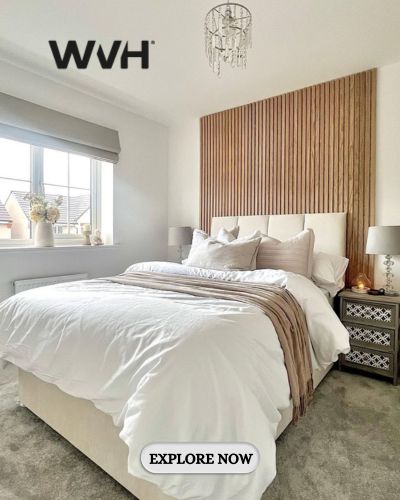
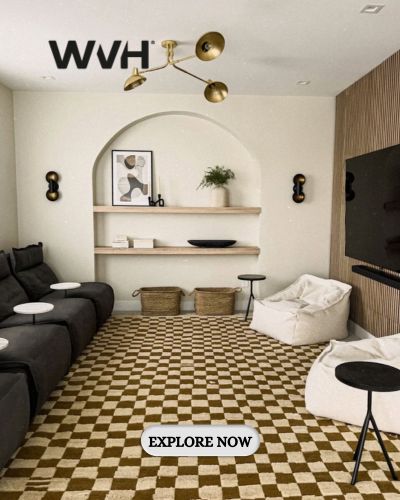
A feature wall can establish the visual identity of a room without requiring extensive changes to the surrounding interior. Instead of relying entirely on paint or wallpaper, homeowners can introduce wooden textures that create depth and a more architectural appearance. The Wood Veneer Hub offers acoustic slat wood wall panels in finishes such as American oak, walnut, smoked oak, and several contemporary colors. These designs can complement minimalist, Scandinavian, industrial, and modern luxury interiors. In a living room, a vertical slat feature wall behind a sofa or television can create a strong focal point while adding warmth. In a bedroom, similar paneling behind the bed may introduce texture without requiring numerous decorative accessories. The direction of the slats also influences the visual effect. Vertical arrangements can emphasize ceiling height, while horizontal detailing may make a room appear wider. Lighting plays an equally important role because carefully positioned fixtures can highlight the natural patterns and shadows created by the panels. Before selecting a finish, it is useful to compare samples against existing flooring, furniture, and wall colors. A balanced combination of materials can make the entire room feel more cohesive and thoughtfully designed.
Improve Interior Comfort with Acoustic Wall Paneling
Modern homes frequently contain hard surfaces such as glass, tile, laminate flooring, and painted walls. Although these materials can look attractive, they may also contribute to unwanted sound reflections, particularly in rooms with limited soft furnishings. The Wood Veneer Hub provides acoustic slat panels constructed with wood-veneered slats and felt backing designed to help absorb sound within a room. These panels can be especially interesting for home offices, entertainment spaces, music rooms, and living areas where excessive reverberation affects comfort. However, acoustic absorption should not be confused with complete soundproofing. Decorative acoustic panels may reduce reflections and improve how a room sounds, but they do not automatically prevent noise from passing through walls. Their effectiveness depends on factors such as panel coverage, mounting method, room dimensions, and additional acoustic materials. For example, installing panels over timber battens with suitable insulation may provide different acoustic results from attaching them directly to a wall. Homeowners should review the technical specifications of individual products before expecting a particular performance level. Combining panels with curtains, rugs, and upholstered furniture can also support a more comfortable acoustic environment. Thoughtful acoustic design makes spaces more pleasant for conversations, entertainment, and focused activities.
Design a Stylish Home Office That Encourages Productivity
A home office should provide more than a desk and an internet connection. The surrounding environment can influence concentration, comfort, and the overall experience of working remotely. Creating a visually organised workspace helps establish a clear separation between professional responsibilities and personal activities. The Wood Veneer Hub offers decorative and acoustic wall paneling that can be incorporated into modern home office designs. A walnut feature wall behind a desk may create a refined professional appearance, while lighter oak finishes can help maintain an airy and welcoming atmosphere. For video meetings, a carefully designed background can also make the workspace appear more polished without requiring excessive decoration. Acoustic panels may help reduce distracting reflections within the room, although their impact depends on the installation and surrounding materials. Lighting should be planned alongside the wall design. Natural daylight can support a comfortable working environment, while adjustable task lighting is useful during darker hours. It is also important to consider ergonomic furniture, cable management, and accessible storage. A visually attractive wall cannot compensate for an uncomfortable chair or poorly positioned monitor. The most successful home offices combine decorative character with practical details that support consistent productivity and everyday comfort.
Explore Flexible Panels for Creative Interior Design
Traditional wall finishes are often associated with flat surfaces, but contemporary interior design increasingly embraces curved furniture, rounded architectural features, and distinctive textured details. Flexible wall paneling offers additional creative possibilities for spaces where rigid materials may be difficult to use. The Wood Veneer Hub offers Flutto flexible tambour panels in different wood finishes, colors, and profiles. These products can introduce decorative rhythm to suitable curved surfaces, furniture features, and selected wall applications. For example, a curved reception desk or rounded kitchen island may gain additional visual interest through carefully installed textured paneling. Flexible designs can also help create distinctive decorative sections in hallways or living rooms. However, flexibility varies between products, and not every panel is suitable for every radius or application. Before installation, homeowners should check the manufacturer’s bending guidance, mounting requirements, and recommended surface preparation. The existing structure must provide appropriate support, and the installation method should match the intended use. Color coordination remains important because heavily textured surfaces can dominate smaller interiors. Pairing a statement panel with simple furniture and neutral surroundings often creates a balanced result. Creative applications are most effective when appearance, compatibility, and practical maintenance are considered together.
Plan a Successful DIY Wall Panel Installation
Decorative wall paneling can be an appealing home improvement project for people who enjoy practical interior updates. Nevertheless, achieving a professional-looking result requires accurate measurements, suitable tools, and careful preparation. The Wood Veneer Hub provides installation information for its acoustic slat panels, including methods involving appropriate construction adhesive, mechanical fixings, and timber battens. The correct approach depends on the product, wall construction, and desired acoustic performance. Before beginning, it is important to measure the wall carefully and identify obstacles such as electrical outlets, switches, windows, and skirting boards. The surface should be clean, dry, and structurally suitable for the intended installation. Homeowners should also check for concealed electrical cables or plumbing before drilling. Cutting panels requires appropriate tools and protective equipment, while ceiling installations demand particular attention to secure structural fixing. Ordering samples can help confirm the chosen color and finish before committing to a larger purchase. It is sensible to calculate the required number of panels and allow for cutting waste. Following the manufacturer’s instructions closely can reduce mistakes and help achieve consistent alignment. Careful preparation is often the difference between a decorative upgrade that looks unfinished and one that feels professionally integrated into the room.
Choose Timeless Wall Finishes for Long-Term Interior Appeal
Interior trends change regularly, but materials that complement the architecture and purpose of a room can remain attractive for many years. Rather than choosing decorative panels solely because they appear fashionable, homeowners should consider durability, maintenance, lighting, and compatibility with existing furnishings. The Wood Veneer Hub offers multiple wall paneling options, including natural wood finishes, colored acoustic panels, geometric designs, waterproof products, and selected exterior paneling. Each category has different technical characteristics and intended applications. Standard wood-veneered acoustic panels should not automatically be treated as waterproof, even when certain specialized collections are designed for moisture-prone environments. Product specifications should therefore be checked carefully before installing panels in kitchens, bathrooms, or outdoor locations. Regular dusting and suitable cleaning methods can help preserve the appearance of decorative surfaces. Harsh chemicals or excessive moisture may damage some finishes, making manufacturer-approved maintenance important. For long-term versatility, neutral wood tones can work particularly well with changing furniture and accessories. More expressive colors may be ideal for distinctive feature walls when they complement the overall design. Ultimately, successful wall paneling is about creating an environment that reflects personal taste while remaining comfortable, practical, and visually appealing. With thoughtful planning, decorative panels can transform ordinary rooms into spaces with lasting character.