


Maintaining an active lifestyle can be challenging when work, studies, family responsibilities, and everyday commitments take up most of the day. Finding time to visit a gym or exercise outdoors is not always easy, especially when the weather is unpleasant or your schedule keeps changing. A convenient home fitness solution can make movement easier to include in your regular routine without requiring a separate workout room.
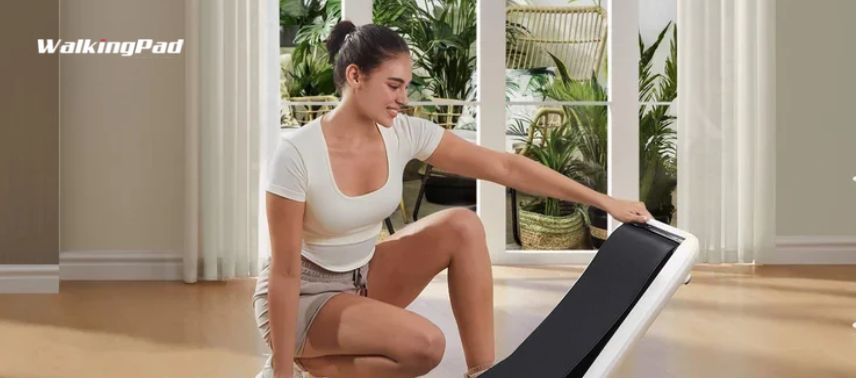
WalkingPad offers a range of compact, foldable treadmills designed to make walking and home exercise more accessible. Its products include under-desk walking pads, foldable treadmills, and hybrid models that support different activity preferences. With space-saving designs and convenient features, these machines can suit people who want to move more while working from home or exercising in their own space.
Choosing the right treadmill involves more than comparing prices or appearances. Your available space, fitness goals, preferred exercise intensity, and storage needs all influence which model will work best. Understanding these factors can help you build a practical fitness routine that fits your lifestyle.
1. Make Daily Movement Part of Your Routine
Regular movement does not always require a long workout or a visit to the gym. Short walking sessions throughout the day can help people spend less time sitting and create a more active daily routine. For individuals who work at a desk for several hours, having access to a walking treadmill can offer a convenient way to add movement between tasks.
WalkingPad designs its products for people who want greater flexibility when exercising at home. Depending on the model, a walking pad can be used during breaks, before starting work, or while completing suitable low-attention tasks. This flexibility can make exercise feel less like another appointment and more like a natural part of the day.
Start with a realistic schedule instead of trying to achieve an ambitious target immediately. For example, you might begin with a short walking session in the morning and another during an afternoon break. As your comfort and stamina improve, you can gradually adjust the duration or frequency of your sessions according to your needs.
Consistency is generally more useful than an occasional exhausting workout. Choose a routine that feels manageable even on busy days, and allow yourself time to develop the habit. Keep your walking area clear, wear suitable footwear, and begin at a comfortable pace. If you have a health condition or concerns about exercise, seek appropriate professional guidance before starting a new routine.
2. Choose a Space-Saving Treadmill for Your Home
One of the biggest challenges of exercising at home is finding enough room for fitness equipment. Traditional treadmills can occupy substantial floor space, making them difficult to accommodate in smaller apartments, bedrooms, or multipurpose living areas. Equipment that can be folded and stored away may provide a more practical alternative.
WalkingPad features compact designs intended to make home fitness easier to manage. Many models have folding mechanisms that reduce their storage footprint when they are not being used. This can be particularly useful for people who need their living room or home office to serve several purposes throughout the day.
Before choosing a model, measure the area where you plan to exercise. Check the treadmill’s dimensions when it is fully unfolded, leaving sufficient room around it for safe access and movement. Then compare the folded dimensions with your intended storage location. A treadmill that fits beneath suitable furniture or in a designated storage area may be easier to use regularly.
Weight also matters if you expect to move the equipment frequently. Check the product specifications and consider whether you can safely reposition the machine yourself. Although compact equipment can simplify storage, it still needs a stable surface and enough surrounding space for comfortable use.
Think about your home’s layout, too. A convenient location near your workspace may encourage you to walk during breaks, while a position near your television could make dedicated exercise sessions more enjoyable. The best setup is one that fits your home without obstructing everyday activities.
3. Find the Right Model for Your Fitness Goals
Different people need different types of exercise equipment. Someone who mainly wants to walk while working may not need the same features as someone who plans to jog or complete more intensive treadmill sessions. Identifying your main purpose before shopping can help you avoid paying for features you rarely use.
WalkingPad offers several product categories, including its Just Walk models and hybrid treadmills. Compact walking pads are designed for convenient walking, while selected hybrid models provide additional functionality for people who want to combine walking with higher-speed workouts. Features vary by model, so it is important to compare the specifications of individual products rather than assuming that every machine offers the same capabilities.
If your main goal is to move more during the working day, prioritise a suitable walking speed, a comfortable walking surface, and convenient controls. If you also want to jog, check the maximum speed, running area, handrail design, and stability features of the particular treadmill. Make sure its stated weight capacity is appropriate for the intended user.
Consider how frequently you will exercise and who will use the equipment. A treadmill intended for occasional walking may have different requirements from one that will be used regularly by multiple household members. Noise, available space, and ease of storage can also influence your decision.
Create a short comparison list before purchasing. Include the features that matter most to you, then evaluate the available models against those requirements. This simple process can make the selection easier and help you focus on practical value rather than choosing a treadmill based only on its appearance.
4. Improve Your Home Office With Under-Desk Walking
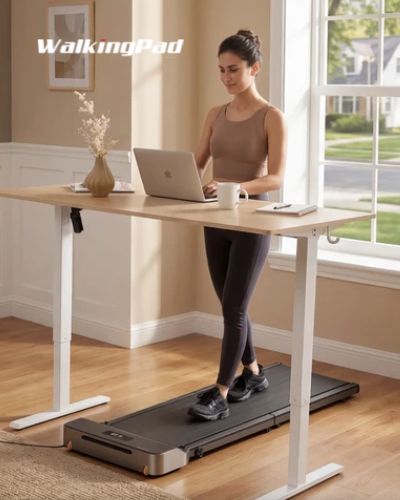
Working from home offers flexibility, but it can also mean spending much of the day seated. An under-desk treadmill may help introduce movement into a home office, especially for people who have long periods of computer-based work. However, the setup needs to support both safe walking and productive working.
Selected WalkingPad models are designed for under-desk use, making them suitable for people who want to walk at a controlled pace while handling certain tasks. Before purchasing one, check the dimensions of your desk and the treadmill. Ensure that your desk provides adequate clearance and that you can maintain a comfortable posture while standing and walking.
Begin with simple activities that do not require intense concentration, such as listening to a meeting or reviewing familiar material. Tasks involving detailed writing, precise mouse movements, or complicated calculations may be more difficult while walking. It is perfectly reasonable to reserve those activities for when you are seated or standing still.
Build your workstation around comfort. Position your screen at an appropriate height, keep your keyboard and mouse within easy reach, and avoid leaning forward to compensate for an unsuitable desk arrangement. Use the treadmill’s recommended operating method and controls, and stop walking whenever you need to focus fully on a demanding task.
Remember that an under-desk treadmill is an additional movement option, not a requirement for every remote worker. Alternating between sitting, standing, and walking may be more comfortable than walking continuously. Choose an arrangement that supports your work, helps you move more, and remains practical throughout the day.
5. Consider Convenience, Controls, and Maintenance
A treadmill is more likely to become part of your routine when it is straightforward to operate. Features such as remote controls, app compatibility, speed adjustment, and clear displays can make everyday use more convenient. Their availability differs across models, so review the product description carefully before deciding which features are essential.
Some WalkingPad products include FootSense technology, while compatible models may offer app-based controls or remote operation. These features can help users adjust their experience according to the equipment’s design. Check the instructions for your chosen model to understand how its controls work and whether any connected features require a compatible device or additional setup.
Maintenance is another important consideration. Follow the manufacturer’s instructions for cleaning, inspection, and any required belt care. Keep dust and debris away from moving components, place the treadmill on a suitable surface, and check the power connection before use. Never attempt maintenance while the machine is running or connected to power when the instructions require it to be unplugged.
Safety should remain a priority, regardless of how compact the equipment is. Read the user manual, respect the recommended weight limit, and keep children and pets away from the moving belt. Avoid using a walking pad on an unsuitable surface or operating it in a way that contradicts the manufacturer’s instructions.
Before placing an order, review delivery arrangements, warranty coverage, return conditions, and customer support options. Check the complete product dimensions, included accessories, and any assembly requirements. Understanding these practical details in advance can help you choose equipment that suits your expectations and avoid surprises after delivery.
6. Build a Sustainable Home Fitness Habit
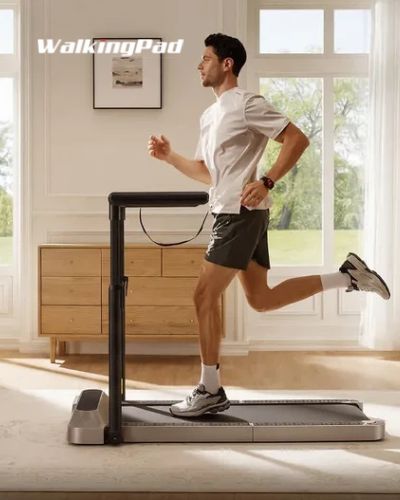
Buying fitness equipment is only the first step. The real value comes from using it consistently in a way that suits your schedule, goals, and comfort level. A realistic plan can help you turn a new treadmill into a useful part of your lifestyle rather than equipment that gets forgotten after the first few weeks.
With WalkingPad, you can begin by deciding when and where walking fits naturally into your day. You might use a walking session to start your morning, take a movement break between meetings, or complete a short workout after finishing work. Choose times that are easy to remember and do not interfere with essential responsibilities.
Track your progress in a simple way. You could record the number of sessions completed each week, the time spent walking, or how consistently you follow your schedule. Avoid focusing only on speed or distance. Building a reliable habit is a meaningful achievement, especially when you are balancing work, family, and other commitments.
Your routine should also remain flexible. Some days may allow for a longer session, while others may only leave room for a few minutes. Adjust your plans when necessary and increase activity gradually rather than pushing yourself beyond your comfort level. Take breaks when needed and stop if you experience unusual pain, dizziness, or other concerning symptoms.
Finally, remember that a treadmill works best as part of a broader approach to wellbeing. Combine regular walking with suitable strength exercises, adequate rest, balanced nutrition, and opportunities to move throughout the day. You do not need a perfect schedule to make progress; you need an approach that is practical enough to maintain.
Whether you are setting up a home office, making better use of a small apartment, or creating a convenient exercise corner, the right equipment can make movement easier to access. Compare your options carefully, prioritise the features that match your needs, and choose a routine you can enjoy over time.