


A wristwatch is more than an accessory that displays the time. For many people, it represents personal style, reliability, craftsmanship, and a connection to history. While modern technology has introduced countless ways to check the time, traditional watches continue to attract collectors, outdoor enthusiasts, professionals, and individuals who appreciate carefully engineered products. Marathon Watch is a Canadian watch company known for producing Swiss-made timepieces designed with military durability and practical functionality in mind. Established in 1939, the brand has developed a distinctive identity through its association with military timing instruments and purpose-built watches. Its collections include field watches, diving watches, and aviation-inspired models, each designed around specific functional requirements. Rather than focusing exclusively on decorative details, these timepieces emphasize legibility, dependable construction, and usability. Choosing the right watch involves understanding movement types, case dimensions, materials, and everyday wearing preferences. By exploring these considerations, buyers can discover how traditional watchmaking continues to offer meaningful value in a world increasingly dominated by digital devices.
A Legacy of Military Watchmaking and Swiss Craftsmanship
The history of military watches reflects the importance of accurate timekeeping in demanding environments. Before digital devices became widely available, reliable wristwatches were essential tools for coordinating activities, measuring intervals, and maintaining schedules. Founded by Morris Wein in 1939, Marathon Watch developed from a family business into a manufacturer associated with military timing equipment. The company began supplying timing instruments to Allied forces during the Second World War and continues to emphasize its military heritage. Its watches are designed in Canada and manufactured in Switzerland, bringing together practical design principles and established watchmaking expertise. This combination has helped create a recognizable identity built around functionality rather than passing fashion trends. Military-inspired watches often feature clear numerals, strong case construction, and designs intended to support quick time reading. However, not every watch with a military appearance is manufactured to the same specifications, so buyers should examine the characteristics of individual models. For collectors, the historical background can add meaning beyond the watch’s technical capabilities. For everyday users, the appeal may simply be a dependable, distinctive timepiece that combines heritage with contemporary engineering.
Explore Durable Field Watches for Everyday Adventures
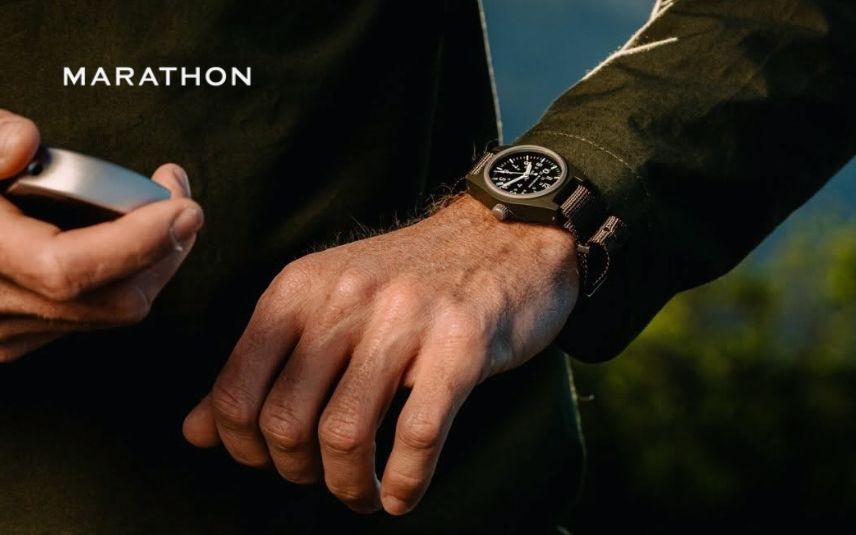
Field watches are traditionally associated with straightforward design, excellent readability, and practical construction. Their understated appearance makes them suitable for people who prefer functional accessories without excessive decoration. Marathon Watch offers field-oriented models within its General Purpose collections, including watches with mechanical and quartz movements. These timepieces often feature compact cases, clearly marked dials, and designs influenced by military requirements. Their versatility makes them interesting for everyday activities such as commuting, travelling, hiking, and casual outdoor exploration. When choosing a field watch, buyers should consider case diameter, thickness, weight, and strap material. A smaller watch may feel more comfortable on narrow wrists, while a larger model may appeal to someone who prefers a more noticeable presence. Dial readability is another important factor, especially for people who frequently check the time in changing lighting conditions. Some models include illumination features designed to support visibility in darkness. Buyers should also examine the specific water-resistance rating rather than assuming that military-inspired construction automatically makes a watch suitable for swimming or diving. A thoughtfully selected field watch can become a versatile accessory that complements both practical outdoor clothing and relaxed everyday outfits.

Diving Watches Designed Around Functionality and Performance
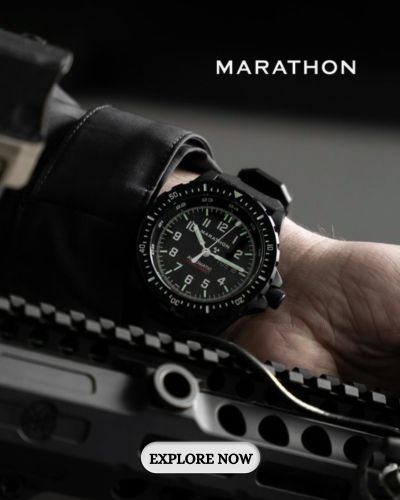
Diving watches occupy a distinctive place in the watch industry because they combine technical design with a recognizable appearance. Their features commonly include water-resistant construction, rotating timing bezels, and highly legible dials. Marathon Watch produces several diving watch collections, including the GSAR, TSAR, MSAR, and larger specialist models. These watches appeal to enthusiasts who appreciate substantial cases, practical timing functions, and engineering influenced by professional requirements. When comparing diving watches, it is important to examine the exact water-resistance specification, movement type, bezel design, and case dimensions. A watch designed for underwater use may also be attractive for everyday wear, but its size and weight should suit the owner’s preferences. Stainless steel cases provide a familiar balance of durability and appearance, while certain models explore alternative materials. Strap choices can also influence comfort, particularly in warm conditions or during outdoor activities. Rubber straps may be convenient around water, while metal bracelets offer a different wearing experience. Anyone intending to use a watch for actual diving should follow the manufacturer’s guidance, maintain the watch appropriately, and ensure that its condition and specifications are suitable for the activity. Practical performance depends on more than appearance alone.
Understanding Automatic, Mechanical, and Quartz Movements
The movement is one of the most important components of a traditional wristwatch because it determines how the watch measures and displays time. Different movement types offer distinct ownership experiences, and understanding their characteristics can make purchasing decisions easier. Marathon Watch produces models with automatic, hand-wound mechanical, and quartz movements, allowing buyers to select a timepiece that matches their preferences. Automatic watches use a mechanical system that is wound through wrist movement, although they may also require manual winding depending on the design. They appeal to enthusiasts who appreciate traditional engineering and the interaction between numerous mechanical components. Hand-wound watches require the owner to wind the movement periodically, creating a more deliberate connection with the timepiece. Quartz watches rely on electronic regulation and a battery, generally offering convenient operation and strong everyday accuracy. Each option has advantages and maintenance considerations. Mechanical movements may require periodic servicing, while quartz models need battery replacement according to their specifications. Buyers should also consider power reserve, accuracy expectations, servicing availability, and long-term ownership costs. The ideal movement is not necessarily the most complicated or expensive one, but the one that fits the wearer’s lifestyle and practical requirements.
Choosing the Right Watch Size, Strap, and Design
A watch can have impressive specifications and attractive styling, but it must also feel comfortable during everyday use. Case dimensions, thickness, weight, and strap construction all influence how a timepiece sits on the wrist. Marathon Watch offers watches across different sizes, including compact 34 mm and 36 mm models, popular 41 mm options, and larger 46 mm designs. Smaller cases may appeal to buyers who prefer a discreet appearance, while larger watches can provide a more prominent visual presence. However, case diameter alone does not determine comfort. Lug-to-lug length, case shape, and thickness also affect how naturally a watch fits. Strap materials introduce another layer of personal preference. Nylon straps can provide a lightweight, casual appearance, rubber straps are often practical for active lifestyles, and metal bracelets can create a more substantial feel. Colour choices also influence versatility. Black dials and neutral straps can complement a wide range of outfits, while distinctive editions may appeal to collectors seeking something different. Before purchasing, buyers should compare measurements with a watch they already find comfortable. This practical approach helps ensure that the chosen model delivers an enjoyable wearing experience rather than simply looking impressive in photographs.
Caring for Your Timepiece and Appreciating Long-Term Value
A well-maintained watch can remain a dependable companion for many years, but long-term performance depends on appropriate care and realistic expectations. Even watches developed for demanding environments require attention to seals, movements, straps, and external components. Marathon Watch provides information about watch servicing, maintenance, warranty registration, and replacement accessories, helping owners understand how to care for their timepieces. Regular cleaning with suitable materials can help remove everyday dirt, while avoiding unnecessary impacts and exposure to unsuitable chemicals may protect the case and strap. Owners should follow the manufacturer’s instructions before exposing a watch to water, particularly after servicing or when the condition of its seals is uncertain. Mechanical watches may need professional maintenance over time, and quartz watches require appropriate battery replacement. It is also important to keep purchase documents and warranty information accessible. From a financial perspective, buyers should avoid assuming that a watch will automatically increase in resale value. Collectability depends on many factors, including condition, rarity, market demand, and historical significance. The most meaningful value often comes from daily usefulness, personal enjoyment, and appreciation of the craftsmanship involved. By choosing carefully and maintaining the watch responsibly, owners can enjoy a timepiece that reflects both practical engineering and enduring personal style.