



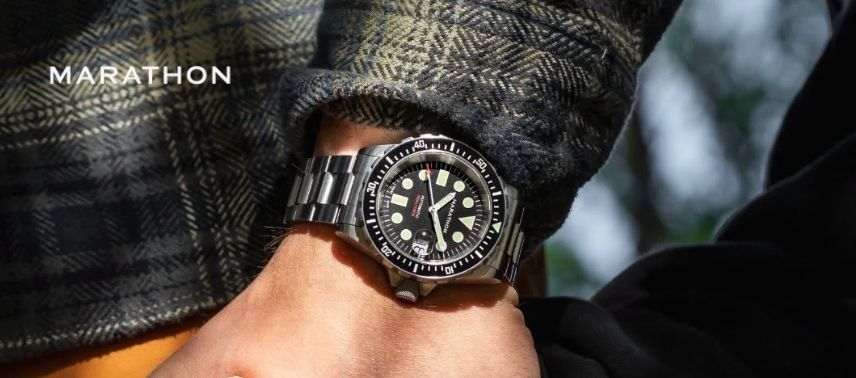
A wristwatch is more than an accessory that displays the time. For many people, it represents personal style, craftsmanship, reliability, and an appreciation for traditional engineering. While modern technology offers countless ways to check the time, a well-designed wristwatch continues to hold a distinctive place in everyday life. Military-inspired watches are particularly interesting because their designs prioritize readability, durability, and practical performance over unnecessary decoration. Marathon Watch is known for producing professional-grade timepieces influenced by military requirements and demanding operational environments. With a history of manufacturing timing instruments for military organizations, the company combines Canadian design heritage with Swiss watchmaking expertise. Its collections include field watches, diving watches, pilot-inspired models, and specialized timing instruments. Whether someone appreciates mechanical movements, prefers dependable quartz technology, or wants a rugged watch for outdoor activities, understanding the differences between these designs can help make the selection process more meaningful.
Explore the Heritage Behind Military Watchmaking
Military watches have traditionally been developed around practical requirements such as accuracy, visibility, durability, and ease of operation. Unlike purely decorative accessories, these timepieces often need to remain readable under challenging conditions and withstand demanding daily use. Marathon Watch traces its military timing heritage to 1941 and continues to produce watches designed around professional specifications. The company describes its products as designed in Canada and manufactured in Switzerland, reflecting a combination of functional design and established watchmaking traditions. Military-inspired watches often feature clearly marked dials, strong case construction, practical straps, and straightforward controls. These elements also appeal to civilian collectors who value purposeful engineering. A watch originally developed for demanding environments can become an attractive everyday accessory because its design avoids unnecessary complexity. However, military styling should not automatically be confused with identical technical capabilities across every model. Different watches offer different levels of water resistance, movement technology, and construction specifications. Understanding the history behind these designs helps buyers appreciate why particular features exist. Rather than following temporary fashion trends, military watchmaking emphasizes functionality, legibility, and consistency, qualities that can remain relevant for many years.
Discover Professional Diving Watches Built for Demanding Conditions
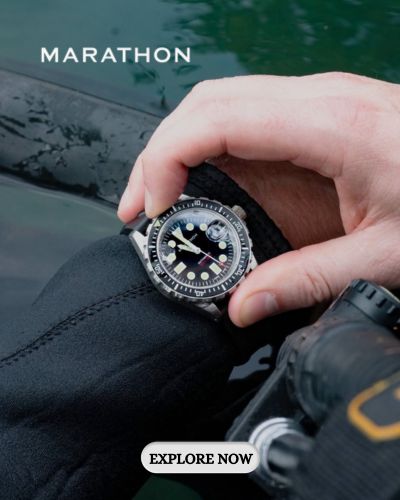
Diving watches are among the most recognizable categories of professional timepieces. Their design typically combines water-resistant construction, clear dial markings, and rotating bezels that help users track elapsed time. Marathon Watch offers Search and Rescue diving watches, including the GSAR automatic and TSAR quartz models. These collections feature robust stainless-steel cases, prominent crowns, highly legible dials, and specialized illumination systems. Selected models provide water resistance rated to 300 metres, although specifications should always be checked individually. The rotating bezel can help track elapsed time during appropriate activities, but a mechanical diving watch should not replace essential professional diving equipment. Beyond underwater applications, these watches appeal to people who enjoy hiking, travelling, and other outdoor pursuits. Their distinctive appearance also works with casual clothing, making them versatile for everyday wear. When choosing a diving watch, case diameter and thickness deserve careful attention. Larger cases may offer a bold appearance but can feel uncomfortable on smaller wrists. Strap material, weight, and clasp design also influence the wearing experience. Selecting a watch that fits comfortably is just as important as choosing one with impressive technical specifications.
Understand the Difference Between Automatic and Quartz Movements
The movement inside a watch determines how it measures and displays time. Two common technologies are mechanical automatic movements and battery-powered quartz movements, each offering different advantages. Marathon Watch provides both movement types across its professional watch collections. Automatic mechanical watches use a system of gears, springs, and a winding rotor that responds to wrist movement. They appeal to enthusiasts who appreciate traditional engineering and the craftsmanship involved in mechanical timekeeping. However, automatic watches generally require periodic servicing and may need resetting when they have not been worn for an extended period. Quartz watches use an electronic oscillator regulated by a quartz crystal, typically providing greater timekeeping accuracy with less routine attention. Battery replacement remains necessary for conventional quartz models, and the appropriate maintenance schedule depends on the movement. Choosing between these technologies is largely a matter of personal preference and intended use. Someone who values mechanical craftsmanship may prefer an automatic model, while another buyer may prioritize the convenience of quartz. Neither option is universally superior because reliability, maintenance, accuracy, and emotional appeal contribute differently to each purchasing decision. Understanding movement technology helps buyers choose a timepiece that matches their expectations.
Experience Practical Visibility with Tritium Illumination Technology
Reading a watch in low-light environments can be difficult when the dial lacks suitable illumination. This is especially relevant for outdoor activities, nighttime travel, and situations where quickly checking the time is important. Marathon Watch incorporates tritium gas tubes into many of its watches, providing continuous illumination without requiring exposure to external light for charging. This differs from conventional photoluminescent materials, which absorb light and gradually release it in darkness. Tritium tubes use a self-contained illumination system designed to remain visible over an extended period. However, their brightness gradually decreases over time as the radioactive material decays. Some models also incorporate MaraGlo luminous material, depending on the collection and configuration. Buyers should review individual specifications because illumination technology varies across products. Dial readability depends on more than brightness alone. Clear numerals, contrasting hands, and an uncluttered layout can make a watch easier to interpret quickly. These characteristics contribute to the practical identity of professional timepieces. For collectors and everyday users alike, effective illumination adds functionality while reinforcing the distinctive appearance associated with military-inspired watch design.
Choose the Right Field or Pilot Watch for Everyday Adventures
Not everyone needs a large diving watch or a timepiece designed for underwater activities. Some people prefer compact, lightweight watches that provide reliable timekeeping without dominating the wrist. Marathon Watch offers General Purpose field watches and Navigator models designed around practical readability and everyday functionality. Field watches commonly feature straightforward dials, easy-to-read hour markers, and durable strap options. Their relatively understated appearance makes them suitable for casual clothing, travel, and outdoor activities. Pilot-inspired watches may emphasize clear numerals and legibility, although individual specifications vary by model. When comparing options, wrist size should be a major consideration. Case diameter provides an initial reference, but lug-to-lug measurements and case thickness can have an equally important effect on comfort. A watch with short lugs may fit differently from another model with the same case diameter. Strap selection also influences the overall appearance. Nylon straps often create a practical casual look, while rubber and metal bracelets offer different wearing characteristics. Buyers should consider whether they prefer a date display, specific dial markings, or particular movement technology. The ideal everyday watch is one that feels comfortable, remains readable, and suits the activities for which it will actually be worn.

Invest in Quality Craftsmanship and Long-Term Watch Care
A quality wristwatch can provide years of enjoyment when selected carefully and maintained according to its construction and movement requirements. However, even rugged professional watches benefit from regular inspection and responsible use. Marathon Watch provides timepieces with features such as sapphire crystals, stainless-steel cases, Swiss movements, and replaceable straps, depending on the model. These materials and components can contribute to durability, but they do not make a watch completely resistant to damage. Owners should avoid unnecessary exposure to harsh chemicals, extreme impacts, and temperatures outside the manufacturer’s recommendations. Water resistance should also be treated as a technical rating rather than a permanent guarantee, because seals can deteriorate with age. Professional inspection may be appropriate before using an older watch for demanding water activities. Mechanical movements require servicing according to their condition and the manufacturer’s guidance, while quartz models may eventually need battery replacement. Cleaning straps and cases appropriately can help preserve comfort and appearance. Before purchasing, buyers should compare specifications, warranty conditions, available accessories, and service options. A thoughtful decision should reflect how the watch will be worn rather than focusing entirely on appearance or collection popularity. By balancing craftsmanship, functionality, comfort, and proper maintenance, a well-chosen timepiece can become a dependable accessory with lasting personal significance.