


Water plays an essential role in almost every household activity, from preparing meals and making coffee to washing dishes and staying hydrated. Yet water quality can vary considerably depending on its source, treatment process, and the plumbing system through which it travels. Some households experience unpleasant tastes or odours, while others face concerns involving sediment, hardness, or specific contaminants. Choosing an appropriate filtration system requires understanding these differences rather than assuming that every filter performs the same function. iSpring Filter offers residential water filtration products, including reverse osmosis systems, whole-house filters, under-sink filtration units, and replacement cartridges. These solutions address different household needs and installation preferences. Whether homeowners want to improve the taste of drinking water or reduce sediment entering their plumbing, selecting the right equipment can contribute to a more convenient daily routine. Understanding filtration technologies, maintenance requirements, and product specifications helps make the process more practical and informed.
Understand Why Household Water Quality Deserves Attention
Water can contain naturally occurring minerals, dissolved substances, and particles that influence its taste, appearance, and suitability for particular uses. Municipal water systems generally follow applicable drinking water standards, but the characteristics of water arriving at individual properties may still differ. iSpring Filter provides filtration products designed to address concerns such as sediment, chlorine taste, and selected dissolved contaminants, depending on the system and its certified capabilities. Before purchasing any equipment, homeowners should identify the specific problem they want to solve. Water that tastes unpleasant does not necessarily contain harmful contaminants, while water that looks perfectly clear is not automatically free from substances of concern. Reviewing a municipal water quality report can provide useful information about publicly supplied water. Households using private wells may need independent laboratory testing to understand their water characteristics. Test results can help determine whether sediment filtration, activated carbon, reverse osmosis, or another treatment method is appropriate. It is important to distinguish between improving aesthetic qualities and treating a documented health-related contamination issue. Selecting equipment based on actual water conditions helps avoid unnecessary expenses and ensures that the chosen system addresses relevant household needs.
Explore Reverse Osmosis for Drinking and Cooking Water
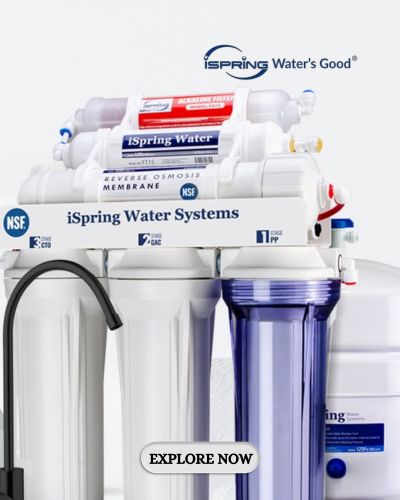
Reverse osmosis is a water treatment technology that uses a semipermeable membrane to reduce many dissolved substances from water. Residential systems often combine this membrane with sediment and carbon filtration stages to address different types of impurities. iSpring Filter offers reverse osmosis systems such as the RCC7 series, including configurations with additional remineralization stages. These systems are commonly installed beneath kitchen sinks and provide filtered water through a dedicated faucet. Depending on the model, filtration stages may include sediment cartridges, activated carbon filters, and an RO membrane. Some versions incorporate remineralization components intended to adjust the characteristics of treated water. However, individual systems differ in their contaminant reduction claims, water production capacity, and installation requirements. Buyers should review independent certification information and performance data rather than assuming that every reverse osmosis system removes every possible contaminant. RO technology also produces wastewater during filtration, making efficiency an important consideration. Available water pressure, under-sink space, and replacement filter costs should be assessed before installation. For households seeking a dedicated drinking water solution, a properly selected and maintained reverse osmosis system can offer a practical alternative to relying exclusively on bottled water.
Discover the Benefits of Whole-House Water Filtration
While drinking water filtration focuses on water used for consumption, whole-house systems are designed to treat water entering a property before it reaches multiple fixtures. This approach may be useful when sediment, chlorine, or other water characteristics affect several areas of the home. iSpring Filter offers whole-house filtration systems that can incorporate sediment and carbon filtration stages, with certain models designed to target additional substances. These systems are generally installed near the main water supply line, allowing treated water to flow toward showers, sinks, washing machines, and other household fixtures. However, whole-house filtration should not be confused with universal water purification. The contaminants reduced depend on the installed media, system design, and documented performance. A sediment filter may capture suspended particles but will not necessarily reduce dissolved minerals or chemical contaminants. Similarly, a carbon filter may improve chlorine-related taste and odour without addressing every water quality concern. Proper sizing is important because household flow requirements can influence water pressure and overall performance. Larger households may require systems capable of supporting several fixtures simultaneously. Professional installation may be advisable when modifying main plumbing connections. A carefully chosen whole-house system can provide convenience, but its effectiveness depends on matching the equipment to the property’s actual water conditions.
Compare Different Filtration Technologies Before Buying
The water filtration market includes numerous technologies, each designed to address particular water characteristics. Understanding their differences can help homeowners avoid selecting equipment based solely on marketing descriptions or the number of filtration stages. iSpring Filter provides products using sediment filtration, activated carbon, reverse osmosis, and other treatment methods. Sediment filters are commonly used to capture particles such as sand, rust, and dirt, helping protect downstream filtration components and plumbing fixtures. Activated carbon can reduce certain substances that contribute to unwanted tastes and odours, although performance varies according to the filter media and contact time. Reverse osmosis membranes can reduce many dissolved contaminants, but they require appropriate operating conditions and maintenance. Ultraviolet treatment, available in some water treatment configurations, serves a different purpose by inactivating certain microorganisms when the system is properly designed and operated. UV treatment does not remove sediment or dissolved chemicals. Water softeners also differ from conventional filters because they are intended to address hardness minerals through specific treatment processes. Understanding these distinctions helps homeowners select equipment that meets their priorities. The most suitable solution is not necessarily the system with the greatest number of components, but the one with documented performance for the identified water quality issue.
Maintain Your Water Filtration System for Reliable Performance
Installing a filtration system is only the beginning of maintaining water quality. Filters gradually collect particles or become exhausted as they process water, which means regular replacement is essential for continued performance. iSpring Filter offers replacement cartridges, membranes, filter housings, and other components for compatible systems. Maintenance schedules vary depending on water quality, household consumption, and the filtration technology involved. Sediment and carbon cartridges may require more frequent replacement than reverse osmosis membranes, although the correct interval should always follow the specific product instructions. Delaying maintenance can reduce filtration efficiency, restrict water flow, and create conditions that compromise system hygiene. Homeowners should keep records of installation dates, filter changes, and any unusual changes in water pressure or taste. Inspecting connections for leaks is also important, particularly after replacing cartridges. Some systems require periodic sanitization or additional servicing, and the manufacturer’s instructions should be followed carefully. Using compatible replacement parts helps preserve the intended operation of the equipment. When a system is designed to address a health-related contaminant, periodic water testing may also be appropriate to verify that treatment remains effective. Consistent maintenance protects the value of the investment and supports reliable everyday operation.

Choose a Water Filtration Solution That Fits Your Home
Every household has different priorities when it comes to water treatment. A small apartment may need a compact under-sink system, while a larger property with private well water may require a more comprehensive approach. iSpring Filter offers multiple filtration categories that allow customers to compare systems according to installation location, water usage, and treatment objectives. Before making a purchase, homeowners should review their water test results, available installation space, plumbing compatibility, and expected maintenance costs. Product specifications such as flow rate, filter capacity, operating pressure, and contaminant reduction certifications deserve careful attention. Initial purchase price is only one part of the overall cost because replacement filters, installation services, and water consumption can influence long-term expenses. Buyers should also confirm whether the selected system meets relevant local plumbing requirements and whether professional installation is necessary. For renters, portable or easily reversible solutions may be more practical than permanent plumbing modifications. When comparing products, it is helpful to distinguish between independent certifications and general manufacturer claims. A well-informed decision should focus on measurable performance rather than promises of universally pure water. By choosing appropriate technology and maintaining it correctly, households can develop a more dependable approach to managing their water quality and everyday comfort.