


Rethinking the Way We Move Outdoors
Outdoor adventures are rewarding, but they can also place considerable demands on the body. Long hikes, steep climbs, uneven trails, cycling routes, and extended walks require stamina and energy, particularly when carrying additional equipment. As wearable technology continues to develop, powered exoskeletons are creating a new way to think about movement and outdoor exploration.
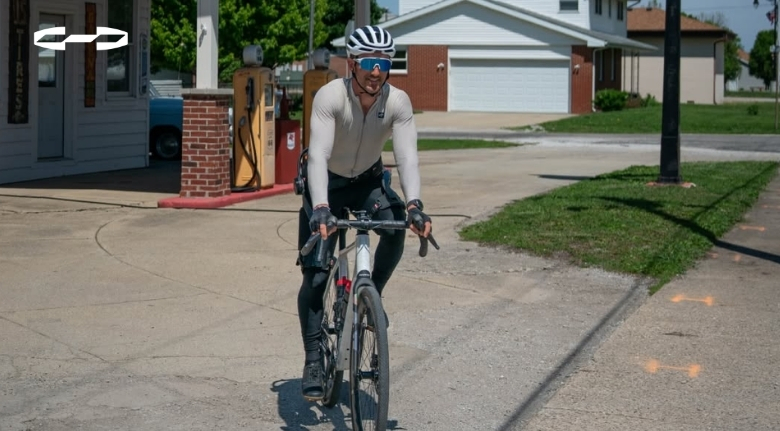
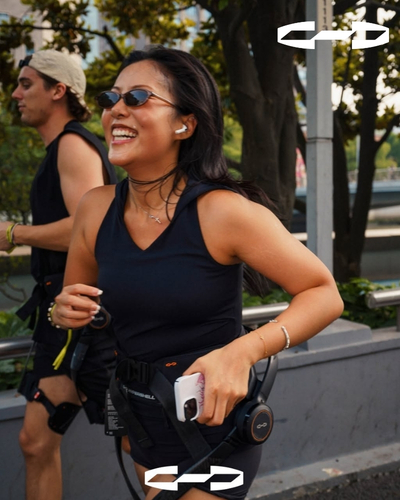
Hypershell focuses on wearable exoskeleton technology designed for outdoor enthusiasts. Its X Series is positioned for activities such as hiking, cycling, running, travel, and everyday movement, giving users powered assistance while keeping the system relatively lightweight and portable.
The concept is different from traditional heavy machinery. Instead of replacing natural movement, the technology is designed to work alongside it. Sensors monitor how the wearer moves, while the system adjusts assistance according to changes in speed, direction, terrain, and activity.
For people who enjoy exploring but sometimes find demanding terrain physically challenging, this type of technology offers an interesting alternative. Rather than viewing wearable robotics as something futuristic and distant, products such as these are bringing powered assistance closer to everyday outdoor activities.
Intelligent Assistance That Responds to Movement
A wearable exoskeleton needs more than powerful motors to be useful. The timing of that power is equally important. If assistance does not correspond with the wearer’s movements, the experience can feel unnatural. Intelligent sensing therefore plays an important role in the overall design.
Hypershell uses sensors and its AI MotionEngine to monitor movement and adjust motor assistance in real time. The system uses multiple sensors to understand movement, position, and changes in the user’s activity.
The newer X Series introduces intelligent motion technology designed to analyze terrain and gait in real time. This allows the system to respond quickly when the wearer changes their movement or encounters different terrain.
This type of responsiveness can be particularly useful outdoors because movement constantly changes. Walking on flat ground is very different from climbing a steep hill, descending a trail, or moving across gravel. An adaptive system can adjust assistance rather than relying on one fixed level of power.
The result is intended to feel more natural. Instead of constantly controlling the device manually, users can focus more on their surroundings and activity while the technology responds to their movement.
Lightweight Design for Greater Freedom
When equipment is worn directly on the body, weight becomes an important consideration. Outdoor enthusiasts already carry water, clothing, cameras, food, and other essentials, so adding a bulky device could defeat the purpose of having powered assistance.
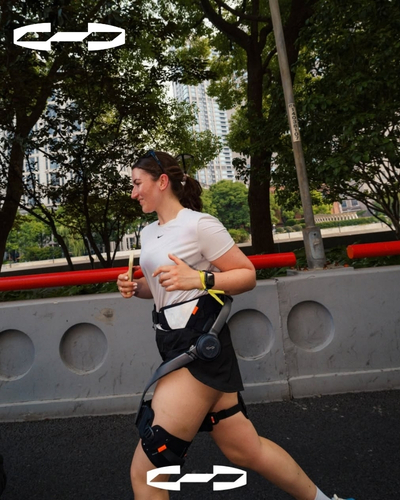
Hypershell’s X Series emphasizes portability and lightweight construction. Depending on the model, the company lists weights around 1.8 to 2 kilograms, with foldable designs intended to make transportation easier.
The newer models also use materials such as carbon fiber and titanium alloy in selected configurations. The focus is on combining strength and durability with a design that remains practical for outdoor use.
Comfort is another important part of wearable design. The newer X Series includes an upgraded soft wearing system designed to improve support and comfort during use.
For users, these details matter because an exoskeleton should remain comfortable throughout an activity. A device that works well for a few minutes but becomes uncomfortable after an hour would have limited practical value.
The combination of lightweight construction, adjustable fitting, and foldability is therefore central to making wearable assistance more practical for people who want to take it beyond short demonstrations.
Support Different Types of Outdoor Activities
Outdoor adventures rarely involve just one type of movement. A hiking trip can include walking on flat paths, climbing stairs, moving uphill, descending slopes, and crossing rough terrain. A versatile wearable device needs to respond to these changes.
The Hypershell X Series includes multiple intelligent modes designed around different activities. Depending on the model, users can find assistance modes for walking, speed walking, running, cycling, mountain terrain, gravel, stairs, uphill movement, and downhill movement.
The higher-end models provide additional modes designed for more specialized environments. These can make the technology appealing to users who enjoy different types of outdoor activities instead of focusing exclusively on conventional hiking.
This variety makes the technology interesting for people with different outdoor interests. A casual explorer may mainly use walking and uphill assistance, while someone who spends weekends on mountain trails could benefit from terrain-specific modes.
Hypershell has also introduced Fitness Mode on its newer X Series. Rather than simply reducing physical effort, this feature is designed to add resistance during walking so users can incorporate the device into a more active training routine.
That combination of assistance and resistance highlights how wearable robotics can serve different purposes depending on how the user approaches physical activity.
Battery Life and Outdoor Reliability Matter
Powered equipment is only useful when it has sufficient battery capacity for the planned activity. This becomes particularly important in outdoor environments where charging opportunities may be limited.
Hypershell lists battery ranges that vary by model. Some of its newer models offer extended battery performance designed for longer outdoor activities.
Actual battery performance can depend on terrain, assistance level, speed, temperature, and how the device is used. For that reason, the maximum advertised range should be viewed as a reference rather than a guarantee for every trip.
The newer X Series is also designed for outdoor conditions, with water and dust protection intended to help the equipment handle everyday outdoor environments.
For longer adventures, battery planning should be part of the preparation process. Users should consider the distance of the route, expected terrain, weather conditions, and whether carrying an additional battery would be useful.
Good preparation can make the difference between technology that enhances an adventure and technology that becomes an additional concern halfway through the journey.
More Than Just Hiking Equipment
Although hiking is an obvious application for a powered exoskeleton, wearable assistance can have broader uses. Modern lifestyles often involve long periods of walking, carrying equipment, exploring unfamiliar places, or moving through challenging environments.
Hypershell positions its X Series for activities including hiking, cycling, travel, work, and everyday life. This broader approach makes the technology relevant to more than dedicated outdoor athletes.
For travelers, wearable assistance could be interesting during long sightseeing days where walking several kilometers is part of the experience. Photographers who carry equipment over large outdoor areas may also appreciate technology designed to support movement.
Cyclists and outdoor explorers can similarly benefit from specialized modes that respond to different types of terrain. The ability to switch between activity modes makes the device more adaptable than equipment designed exclusively for one environment.
At the same time, it is important to understand what the technology is designed for. Hypershell states that its exoskeletons are not medical devices and are intended for outdoor enthusiasts who can walk independently and maintain their balance without assistance.
That distinction is essential when evaluating wearable robotics. The technology is intended to enhance outdoor movement rather than replace a medical mobility solution.
Choosing a Hypershell Model for Your Lifestyle
Different users have different requirements, so choosing an exoskeleton should begin with the activities you actually plan to do. More power is not automatically better if you rarely need it.
The X Go is positioned as an entry-level option with lower power and several intelligent modes, making it suitable for people who want to explore wearable assistance without immediately choosing a higher-performance model.
The X Pro provides greater power and more activity modes, while carbon-fiber configurations focus on combining performance with lightweight construction.
At the higher end, the X Ultra provides stronger assistance and additional intelligent modes designed for more demanding outdoor adventures.
Before choosing a model, consider the type of terrain you normally encounter, the length of your activities, how frequently you will use the device, and whether portability is important. Also check compatibility, fitting requirements, battery options, and the included accessories.
Most importantly, consider whether the technology genuinely fits your lifestyle. For someone who enjoys regular outdoor adventures, a wearable exoskeleton may offer an interesting way to approach demanding terrain. For occasional users, a simpler configuration could be more appropriate.
Wearable robotics are moving beyond the laboratory and into recreational technology, and Hypershell is one example of how this field is developing. By combining powered assistance, motion sensing, multiple activity modes, lightweight construction, and rechargeable batteries, the company is creating technology aimed at making outdoor movement more adaptable.
The goal is not simply to add more power. It is to create assistance that works with the person wearing it. As the technology continues to evolve, wearable exoskeletons could become an increasingly familiar part of hiking, travel, fitness, and outdoor exploration.