


1. Make Outdoor Maintenance Easier with Smart Technology
Maintaining a garden or large outdoor space can take considerable time and effort. From keeping grass neatly trimmed to clearing fallen leaves and managing snow-covered driveways, every season brings different responsibilities. For homeowners with busy schedules, finding a practical way to manage these tasks can make a significant difference. Modern robotic technology offers a new approach, helping people maintain their outdoor spaces while spending less time on repetitive manual work.
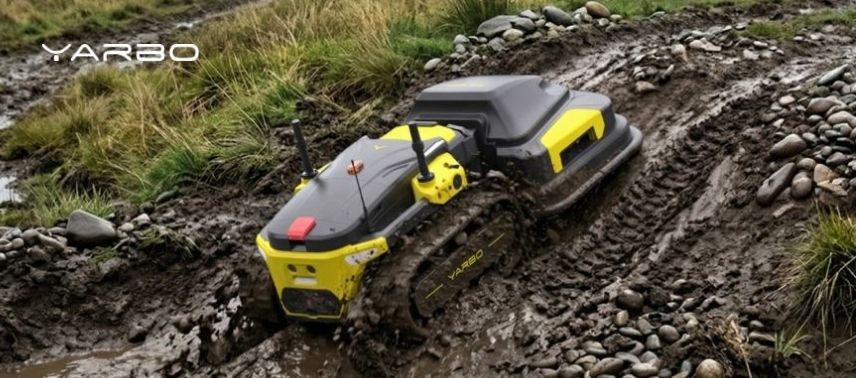
Yarbo introduces a modular robotic yard care system designed to support different outdoor maintenance needs throughout the year. Instead of relying on completely separate machines for every task, its system uses an intelligent robotic core that can work with different attachments. Depending on the selected configuration, homeowners can explore solutions for lawn mowing, snow removal, leaf cleanup, trimming, and other yard-related activities.
This approach is particularly useful for people managing larger properties, long driveways, or gardens that require regular attention. Automated equipment can help reduce the amount of time spent on routine work, leaving more opportunities to enjoy the outdoor space itself. It can also make seasonal preparation more manageable when several maintenance tasks need attention at once.
Before choosing a robotic system, consider the size of your property, the type of terrain, and the tasks you perform most frequently. A homeowner who mainly needs regular lawn maintenance may have different priorities from someone who also deals with heavy snowfall. Understanding these requirements helps you choose equipment that delivers practical value instead of paying for functions you rarely use.
2. Explore a Modular System for Different Seasons
One of the distinctive features of Yarbo is its modular design. The system combines a central robotic unit with compatible attachments, allowing homeowners to adapt their equipment to different outdoor jobs. This concept can be useful for people who experience changing maintenance needs throughout the year and want a more flexible alternative to owning several independent machines.
During warmer months, lawn care often becomes a regular responsibility. Grass grows quickly in suitable conditions, and keeping it at a consistent height can require frequent attention. A robotic mowing module can help automate this recurring task, allowing homeowners to maintain a more orderly lawn without manually operating a mower every time.
When autumn arrives, fallen leaves can cover lawns, paths, and outdoor gathering areas. A suitable blower attachment may help clear these spaces more efficiently. In colder regions, snow removal becomes another important concern. A compatible snow blower module can support the process of clearing driveways and pathways, helping property owners manage winter conditions with less manual effort.
The main advantage of a modular approach is the ability to build a configuration around your actual needs. Rather than purchasing every available attachment immediately, consider which tasks create the most work on your property. You can then evaluate compatible modules and bundles according to your maintenance priorities and budget.
It is also important to confirm compatibility before purchasing additional equipment. Different product series and attachments may have specific requirements, and availability can change. Reviewing the official product descriptions helps you understand what each configuration includes and whether it matches your intended use.
3. Maintain a Neater Lawn with Robotic Mowing
A well-maintained lawn can improve the appearance of an entire property, but keeping grass at the right height requires consistency. Manual mowing takes time, particularly when the garden is large or the growing season is active. For homeowners who want to reduce this recurring workload, robotic mowing offers an alternative worth exploring.
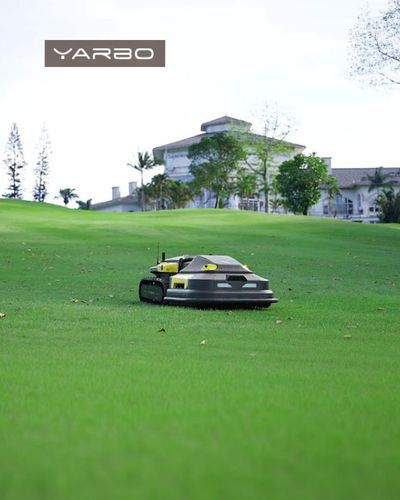
The Yarbo Lawn Mower Pro is part of the company’s outdoor robotics range. It is designed to work within the modular system, supporting automated lawn maintenance while allowing the central unit to be used with compatible attachments for other tasks. This makes it relevant for property owners interested in a broader approach to yard care rather than a machine dedicated to just one seasonal job.
When assessing a robotic mower, begin by checking whether its capabilities suit your lawn. Consider the total area, the shape of the garden, narrow passages, slopes, and areas containing trees or landscaping features. A property with open grass may present different challenges from one with uneven ground, complicated boundaries, or many obstacles.
Navigation technology is another factor to understand. Yarbo describes its positioning approach as a fusion of RTK-GPS, vision, and onboard sensors. These technologies are intended to support accurate positioning and navigation in different operating conditions. However, real-world performance can depend on the property layout, setup, environmental conditions, and available positioning coverage.
Regular preparation remains important even when mowing is automated. Remove toys, branches, and other objects from the lawn, and follow the manufacturer’s instructions for installation, operation, and maintenance. Check the blades and other components according to the recommended schedule.
By matching the mower to your property and preparing the lawn properly, you can make automated maintenance a more practical part of your outdoor routine.
4. Prepare for Winter and Seasonal Cleanup
Outdoor maintenance does not stop when the grass stops growing. In areas with cold winters, snowfall can create a demanding routine involving driveways, entrances, and walking paths. Autumn also brings fallen leaves, while spring often requires clearing debris and preparing the garden for the growing season. Handling these jobs manually can become tiring, especially across a large property.
Yarbo offers a snow blower module designed for winter maintenance. For homeowners who regularly need to clear snow, a compatible robotic solution may help reduce some of the physical work involved. Before choosing this type of equipment, assess the typical snowfall in your area, the length and width of your driveway, the surfaces that require clearing, and any slopes or obstacles along the route.
Safety should remain a priority. Snow and ice can create hazardous conditions, and robotic equipment must be used according to the manufacturer’s operating instructions. Check the permitted working conditions, keep people and pets away from active machinery, and never assume that automation removes the need for supervision or proper preparation.
For autumn, a compatible blower module can help manage leaves and outdoor debris. This may be especially useful on properties with mature trees, where leaves accumulate across lawns and paths. During spring, clearing branches and preparing outdoor spaces for regular maintenance can help create a cleaner starting point for the season.
The benefit of planning ahead is that you can identify the equipment you need before seasonal demand increases. Review product availability, compatibility, setup requirements, and storage considerations well before the first major snowfall or autumn cleanup.
A carefully selected combination of tools can help you manage changing outdoor conditions more efficiently and maintain a more organised property throughout the year.
5. Evaluate Navigation, Terrain, and Practical Features
Robotic yard equipment needs to do more than move around a garden. It must navigate the available space, respond appropriately to obstacles, and operate within the limits of the property and the manufacturer’s specifications. Understanding these practical considerations before buying can help you decide whether a robotic system is suitable for your outdoor environment.
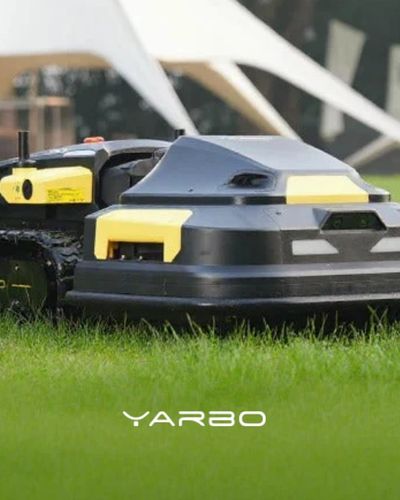
Yarbo highlights its tracked mobility system and traction control as features designed to support movement across challenging terrain. These capabilities may be relevant for homeowners with uneven lawns, slopes, or larger outdoor areas. Nevertheless, no single specification guarantees performance on every surface, so review the operating limits and terrain guidance for the exact model you are considering.
Navigation is equally important. Yarbo’s PPVS fusion navigation system combines positioning information, visual input, and onboard sensors. The company describes this approach as supporting precise positioning, including certain situations where satellite signals are unavailable. Property layout, obstacles, setup quality, and positioning coverage can still influence operation, so checking the coverage information and installation requirements is worthwhile.
Think about the daily practicalities too. Consider where the robot and attachments will be stored, how the batteries will be charged, and whether your property provides suitable access for the equipment. Review cleaning and maintenance instructions, replacement component availability, warranty terms, and customer support options.
You should also understand the level of setup required before the robot can operate as intended. Mapping the property, preparing working areas, and configuring schedules may take some initial effort. Following the official guidance carefully can help establish a more dependable routine.
Ultimately, the right equipment should match your property rather than simply offer the longest feature list. A thoughtful evaluation of navigation, terrain, maintenance, and support will help you make a more informed purchasing decision.
6. Choose the Right Yarbo Configuration for Your Home
Selecting outdoor robotics equipment is an investment in how you manage your property. The best configuration depends on your maintenance workload, the size of your garden, local weather conditions, and the amount you are prepared to spend. Taking time to compare the available options can help you avoid purchasing features that do not contribute meaningfully to your routine.
Start by listing your three most demanding outdoor tasks. These might include mowing a large lawn, clearing snow from a long driveway, or managing leaves during autumn. Once you know your priorities, compare the relevant modules and bundles. A mowing-focused configuration may be sufficient for some households, while properties with substantial seasonal maintenance needs may benefit from a combination of compatible attachments.
Next, consider the overall cost of ownership. Look beyond the initial purchase price and review the cost of additional modules, accessories, maintenance, and replacement parts. Check shipping information, payment options, trial conditions, refund policies, and warranty coverage on the official website. Terms may vary by product, region, and purchase, so read the current details before placing an order.
It is also sensible to consider how your needs might change. If you expect to add another outdoor task in the future, investigate whether the relevant attachment is compatible with your selected system. A modular design can provide flexibility, but compatibility and availability should always be confirmed rather than assumed.
Yard maintenance should fit into your lifestyle, not dominate it. By comparing the available options carefully and choosing equipment that addresses your biggest challenges, you can build a more organised approach to caring for your outdoor space.
Yarbo brings together robotic technology and interchangeable yard care modules to address a variety of seasonal tasks. For homeowners seeking to reduce repetitive work and manage outdoor maintenance more systematically, exploring the available configurations is a useful first step.