


1. Discover New Possibilities with Modern Creative Tools
Turning a creative idea into a finished product can be an exciting experience, whether you enjoy crafting as a hobby or want to build a small business. From personalised gifts and wooden decorations to customised accessories and printed clothing, modern technology makes it possible to create designs that once required specialised equipment and extensive manual work. With the right tools, creators can experiment with new materials, refine their designs, and develop products that reflect their individual style.
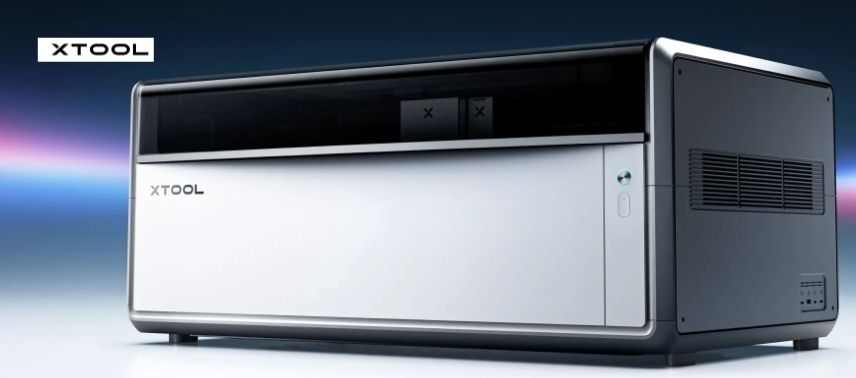
xTool brings together creative machines and accessories designed for laser engraving, laser cutting, apparel printing, metal fabrication, and multifunctional crafting. Its product range serves different users, including beginners, experienced makers, educators, and business owners. This variety allows you to explore equipment based on the projects you want to complete rather than choosing a machine simply because it has impressive specifications.
For example, someone interested in personalised wooden gifts may prioritise a laser cutter, while a clothing entrepreneur might focus on printing equipment. Jewellery designers may need detailed engraving capabilities, whereas workshops producing larger items could benefit from machines designed for more demanding fabrication tasks.
The first step is to identify what you want to create. Make a list of your preferred materials, typical project sizes, and expected production volume. Consider whether you will make occasional gifts, experiment with different crafts, or fulfil customer orders regularly. These details can help you narrow down the available options.
A thoughtful equipment choice can make your creative process more organised and enjoyable. By understanding your goals before investing, you can find tools that support your skills today while leaving room to explore new ideas in the future.
2. Explore Laser Cutting and Engraving for Personalised Creations
Personalisation adds meaning to everyday objects. A name engraved on a wooden keepsake, a custom design on a metal accessory, or a decorative pattern cut into acrylic can turn an ordinary item into something distinctive. Laser technology helps creators produce these details with precision, making it useful for both personal projects and commercial production.
xTool offers different types of laser machines, including diode, CO2, fibre, and UV laser systems. Each technology has different strengths, so selecting the appropriate machine depends on the materials you plan to process and the results you want to achieve.
Diode lasers can be suitable for a variety of craft applications, including selected wood and other compatible materials. CO2 laser machines are commonly used for cutting and engraving materials such as wood and acrylic, depending on the machine’s specifications. Fibre lasers are particularly relevant to metal marking and engraving, while UV systems can support fine-detail work on selected materials, including glass and certain plastics.
These distinctions matter because not every laser can cut or engrave every material effectively. Before purchasing, review the manufacturer’s material compatibility guidance and the recommended settings for your intended projects.
Laser engraving can support a wide range of creative ideas. You might make personalised coasters, decorative signs, engraved gifts, jewellery components, custom labels, or branded merchandise. For small businesses, repeatable digital designs can also help maintain consistency across multiple orders.
Think about the working area and the dimensions of the objects you expect to create. If you plan to produce larger signs or process multiple items in one session, the available workspace and workflow features may be important. If you mainly create small personalised gifts, a more compact machine could be sufficient.
With suitable equipment, careful preparation, and practice, laser cutting and engraving can help transform original designs into tangible products.
3. Bring Colourful Designs to Life with Printing Technology
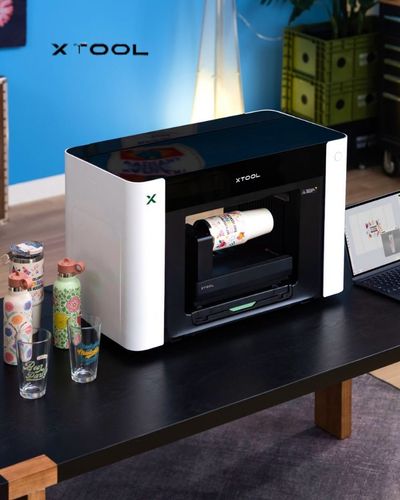
Creative projects are not limited to cutting and engraving. Colour printing opens additional possibilities for people who want to customise clothing, create stickers, produce visual merchandise, or develop products for an online shop. Choosing equipment that matches your intended application can help you produce designs with the appearance and finish your customers expect.
xTool offers printing-related solutions alongside its laser equipment, including apparel printing technology and products designed to support different creative workflows. Its range also includes the M2 Color Craft Laser, which combines laser crafting capabilities with a colour-printing approach. The exact functions available depend on the selected model and configuration.
For apparel businesses, printing technology can help turn original artwork into customised clothing and fabric products. Creators might design branded shirts, personalised garments, promotional merchandise, or small collections for a niche audience. Before selecting a printer, consider the types of fabrics you intend to use, the size of your designs, the expected number of orders, and the preparation steps involved.
Colour printing can also be valuable for crafting projects. Stickers, labels, decorative designs, and personalised visual elements can help make products more distinctive. When combined with compatible cutting or finishing equipment, printed designs may become part of a broader production process.
It is important to understand the difference between printing methods before investing. Direct-to-film printing, inkjet printing, and laser engraving use different processes and have different material requirements. They are not interchangeable, so check the specifications and workflow guidance for the equipment you are considering.
Also review consumable costs, maintenance requirements, software compatibility, and the time needed to prepare each design. A machine that looks affordable initially may require additional materials or accessories to complete your intended workflow.
By selecting a suitable printing solution and learning how to use it effectively, you can expand your creative range and develop products that combine colour, personalisation, and practical value.
4. Make Your Workflow More Efficient with Creative Software
A good creative machine is only one part of the production process. Design software, material preparation, machine settings, and project organisation also influence the quality of the finished result. A well-planned workflow can reduce unnecessary trial and error while helping you move from an initial concept to a completed item more confidently.
xTool provides creative software and digital resources intended to support its ecosystem. Its xTool Studio software helps users prepare designs and manage compatible machine projects. The platform also promotes Atomm as a source of creative inspiration and project guidance, giving makers opportunities to explore ideas and learn new techniques.
For beginners, project resources can make it easier to understand how different designs are created. Instead of starting with a complicated original concept, you can practise with a simpler project, learn the relevant settings, and gradually introduce more challenging details. This approach builds practical experience without requiring you to master every feature immediately.
Experienced creators can benefit from a more structured workflow as well. Organising design files, recording successful material settings, and maintaining a library of reusable templates can save time when producing similar items repeatedly. For businesses, these habits can also improve consistency between customer orders.
Material settings deserve particular attention. Different materials respond differently to laser power, speed, and other operating parameters. Use the manufacturer’s recommended guidance and test settings on suitable samples before processing valuable materials. Never assume that settings for one material will produce the same result on another.
Before committing to a software workflow, check whether it supports your machine, file formats, and design requirements. Some products may have specific software compatibility limitations, so confirm the details for your selected model.
Combining appropriate software with careful preparation makes the creative process easier to manage. With practice, you can develop a repeatable workflow that supports experimentation while helping you achieve more consistent results.
5. Build a Small Creative Business with the Right Equipment
Creative technology can become more than a hobby. Many makers use personalised products to explore entrepreneurship, offering customised gifts, decorative objects, branded merchandise, accessories, and other items to customers. Starting a small creative business requires planning, but the right equipment can help you develop a production process around your skills and available resources.
xTool provides machines intended for both individual creators and business users. Depending on your chosen equipment, you may be able to produce engraved merchandise, cut decorative components, customise metal items, or create printed apparel. These capabilities can support different business models, from made-to-order gifts to specialised product collections.
Before investing, research the market you want to serve. Look at what potential customers are buying, identify gaps in existing products, and decide what makes your designs distinctive. A focused product range can be easier to manage than trying to offer every type of customised item from the beginning.
Next, calculate your expected costs. Include the machine, compatible accessories, materials, packaging, software where applicable, maintenance, shipping, and any other operating expenses. You should also account for the time required to prepare designs, produce orders, check quality, and communicate with customers.
Production capacity is another important consideration. A machine suitable for occasional projects may not be the best option if you plan to fulfil a high volume of orders. Review the workspace, processing capabilities, automation features, and maintenance needs before choosing equipment for commercial use.
Start with a small collection of sample products and test the entire process, from design preparation to final packaging. This allows you to identify production challenges before accepting a large number of orders. Clear product photographs and accurate descriptions can also help customers understand what they are purchasing.
A successful creative business depends on more than technology alone. Good design, reliable quality, realistic pricing, and responsive customer service all contribute to long-term growth. By choosing equipment that fits your business plan, you can establish a practical foundation for developing your ideas into sellable products.
6. Choose the Right xTool Machine for Your Creative Goals
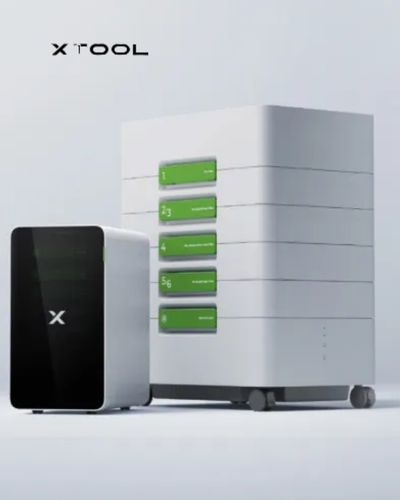
With different machine categories and configurations available, selecting suitable equipment begins with understanding your priorities. Rather than focusing only on power or speed, consider the complete experience you need, including the materials you will use, the projects you want to produce, and the amount of time you expect to spend creating.
Start by identifying your main application. If your goal is to make wooden decorations or cut compatible sheet materials, compare the available laser cutters. If you want to mark metal items or create detailed engraved designs, investigate the relevant engraving technologies. Apparel businesses should focus on printing solutions that support their intended fabrics and production requirements.
Workspace is another practical factor. Measure the area where you plan to install the machine and consider ventilation, extraction, storage, and access for maintenance. Laser processing and printing can involve fumes, particles, heat, or other operational risks, so follow the manufacturer’s safety requirements and use appropriate protective systems. Never process materials unless you have confirmed they are suitable for the selected machine.
Review the total cost of ownership before making a decision. Compare the initial equipment price with the cost of accessories, consumables, replacement parts, and routine maintenance. Check warranty coverage, technical support, delivery terms, and return conditions on the official website, as policies can vary by product and region.
It can also be helpful to explore demonstrations, tutorials, and sample projects before purchasing. Seeing how a machine handles materials similar to those you plan to use can give you a clearer understanding of its capabilities and limitations.
Most importantly, choose equipment that fits your current needs and realistic plans for growth. A beginner may benefit from a manageable setup that supports experimentation, while an established business may prioritise workspace, throughput, and workflow efficiency.
xTool brings together tools for makers, designers, educators, and entrepreneurs who want to turn ideas into finished creations. By comparing technologies, understanding your requirements, and planning your workflow, you can choose a solution that supports your next creative project.