



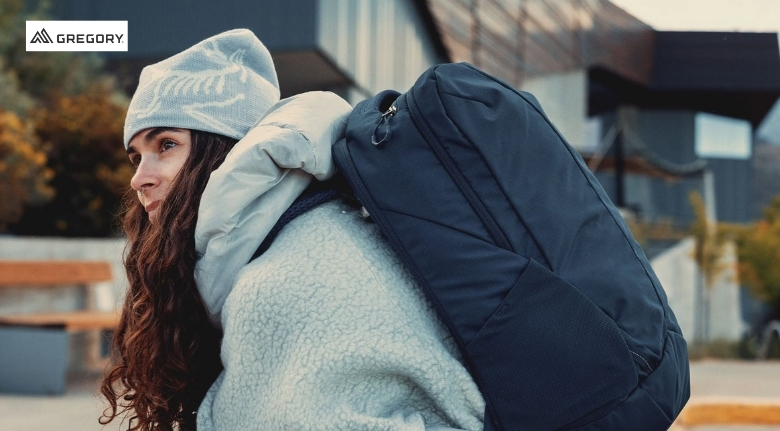
Start With the Way You Plan to Use Your Backpack
A backpack can be one of the most useful pieces of outdoor equipment you own, but choosing the right one requires more thought than simply picking a size or color you like. A bag that works beautifully for a day hike may be completely unsuitable for a week-long trek, while a large expedition pack can feel unnecessarily bulky during a short city trip.
Gregory offers packs designed around different activities, including hiking, backpacking, hydration, travel, everyday use, and alpine adventures. This variety makes it easier to look for a pack based on how you actually spend your time outdoors rather than trying to make one backpack do everything.
Before buying, think about your typical journey. Are you looking for something for short walks and day hikes, a comfortable backpack for weekend trips, or a larger model for multi-day adventures? Your answer will immediately narrow down the most suitable options.
It is also worth considering how much equipment you normally carry. A photographer, camper, commuter, and trail runner can all have completely different requirements. Starting with your lifestyle rather than the product itself helps you make a more practical decision.
Choose the Right Capacity for Your Adventure
Backpack capacity is usually measured in liters, and selecting the right volume can make a major difference. A compact pack is convenient when you only need water, snacks, a jacket, and a few essentials. A larger backpack becomes necessary when you need sleeping equipment, cooking supplies, extra clothing, and food.
For day hikes, packs in the 18- to 30-liter range are generally practical. Gregory’s current collection includes options such as the Zulu 28 LT and Nano 24, offering useful capacity without the bulk associated with larger backpacking packs.
For overnight trips, moving into a larger capacity gives you more room for essential equipment. Packs around 35 to 50 liters can be suitable for shorter overnight or weekend adventures, depending on how efficiently you pack.
Multi-day journeys require more storage. Gregory’s backpacking collection includes models from approximately 35 liters through 75 liters and beyond, allowing travelers to choose capacity according to trip length and equipment requirements.
However, bigger is not always better. An oversized backpack can encourage overpacking, which adds unnecessary weight. Before choosing a large model, create a realistic packing list and consider whether every item is genuinely necessary.
The ideal capacity is the smallest size that comfortably accommodates everything you need for the journey.
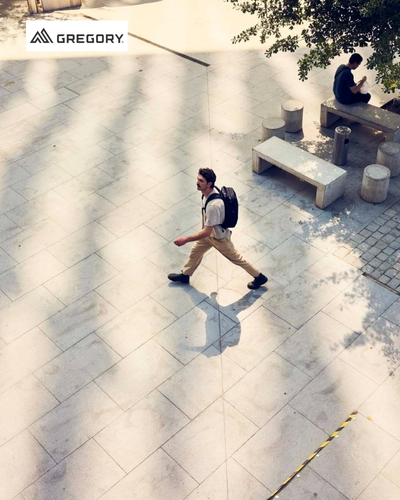
Focus on Fit Before Appearance
A backpack may look fantastic in photographs, but appearance should never be the first consideration when comfort is important. Poor fit can turn an enjoyable hike into an uncomfortable experience, particularly when carrying heavier equipment for several hours.
Gregory places significant emphasis on fit and suspension systems. Many of its packs feature adjustable components designed to help distribute weight more effectively and create a more personalized carrying experience.
Torso length is particularly important. Your height alone does not determine which backpack size will fit you properly. Two people with the same height can have different torso proportions, so measuring and adjusting the pack correctly is worthwhile.
The hip belt also deserves attention. With a properly fitted backpack, the hip belt can help transfer a significant portion of the load away from the shoulders. This becomes increasingly important as the weight of the pack increases.
Shoulder straps should sit comfortably without creating pressure around the neck. The backpack should feel stable without restricting natural movement.
If possible, test a backpack with some weight inside rather than judging comfort while it is empty. A pack that feels excellent without equipment can feel completely different once filled.
Taking time to understand fit can ultimately be more valuable than choosing the most visually appealing model.
Pick Features That Match Your Activity
Different adventures require different backpack features. A day hiker may prioritize ventilation and easy access, while a winter traveler may need specialized equipment storage.
Gregory’s range includes dedicated daypacks, hydration packs, backpacking packs, snow packs, travel bags, and everyday backpacks.
For regular hiking, features such as breathable back panels, external pockets, hydration compatibility, and convenient access can make a noticeable difference. Keeping frequently used items within easy reach means you do not have to unpack the entire bag every time you need water or a snack.
Hydration-focused designs are especially useful for activities where movement and easy access matter. Gregory’s hydration collection is designed for activities such as trail running, mountain biking, and other high-output adventures.
Snow and alpine adventures require another level of specialization. Packs designed for these environments can include dedicated systems for carrying skis, snowboards, or essential technical equipment.
For everyday use, technical outdoor features may be less important. Instead, organized compartments, comfortable carrying systems, and practical storage can make a greater difference.
The best feature is therefore not necessarily the most advanced one. It is the feature that solves a problem you are actually likely to encounter.
Think About Travel Beyond the Trail
Backpacks are not only for hiking. They can also be excellent travel companions, particularly when you are moving between airports, trains, hotels, and city streets.
Gregory has a dedicated travel collection that includes travel packs, luggage, duffels, and other carrying solutions.
A travel backpack can be especially convenient when you want to keep your hands free. Instead of pulling a suitcase through every part of a journey, you can carry your belongings on your back while navigating stairs, public transport, crowded streets, or uneven surfaces.
Organization becomes especially important during travel. A backpack with separate areas for clothing, electronics, documents, and small accessories can save considerable time when you need something quickly.
For longer journeys, a wheeled bag may be preferable if you are carrying heavier belongings. The right choice depends on how much walking your itinerary involves and how frequently you will need to move your luggage.
Airline requirements should also be checked before choosing a travel backpack. Carry-on dimensions and weight restrictions vary between airlines, so travelers should always compare the bag’s specifications with the rules of their particular flight.
A good travel pack should make moving between destinations easier rather than creating another logistical challenge.
Build a Smarter Packing System
Buying a good backpack is only the beginning. How you organize it can have just as much impact on comfort and convenience.
Start by placing heavier items close to your back and toward the center of the pack. This can help keep the load balanced instead of allowing heavy equipment to pull the backpack backward.
Frequently used items should remain easy to reach. Water, snacks, sunscreen, maps, a rain layer, and other essentials should not be buried underneath sleeping equipment or spare clothing.
Gregory also offers gear-organization products designed to help travelers and outdoor enthusiasts manage their equipment more efficiently. Its broader collection includes storage and organization solutions alongside backpacks and travel gear.
Packing cubes can be useful for travel, while smaller organizers can help separate equipment during outdoor trips. The goal is to give everything a logical place.
Avoid filling every available pocket simply because space exists. Extra items increase weight, and unnecessary weight becomes increasingly noticeable as the distance increases.
Before leaving, put the fully packed backpack on and walk around with it. If something feels uncomfortable, make adjustments before starting the journey.
A few minutes spent reorganizing at home can prevent hours of discomfort on the trail.
Make Comfort a Priority on Long Trips
The longer you carry a backpack, the more important comfort becomes. A bag that feels fine during a 30-minute walk may reveal problems after several hours.
Gregory’s backpacking packs are designed for multi-day and extended backcountry trips, with features focused on load support, suspension, ventilation, durability, and organization.
For longer journeys, suspension technology can help the pack move more naturally with your body. Some Gregory collections use dynamic suspension systems designed to provide flexibility while maintaining support.
Ventilation is another factor worth considering. Walking uphill with a loaded backpack generates heat, particularly during warmer weather. Breathable back panels can help improve airflow and make long days more comfortable.
Durability also becomes important when a backpack is regularly exposed to rough terrain, branches, rocks, dirt, and changing weather. A pack intended for demanding outdoor use needs to handle more than occasional city commuting.
This does not mean every traveler needs the most technical backpack available. Instead, match durability and support to the environments you expect to encounter.
If your trips are mostly short and lightweight, a simpler pack may be more comfortable and practical. If you regularly carry substantial loads over several days, investing in stronger support can make a significant difference.
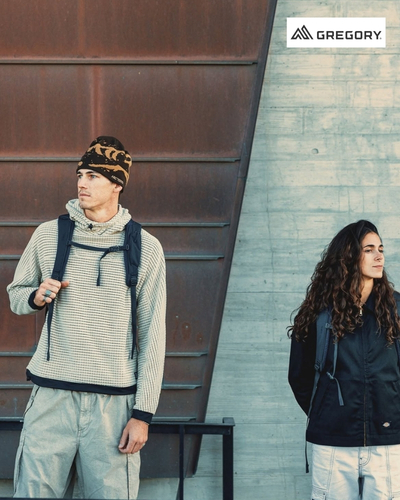
Choose a Backpack That Can Grow With Your Adventures
The best backpack is not necessarily the most expensive or the largest. It is the one that fits your body, matches your activities, carries what you need, and remains comfortable throughout the journey.
Gregory’s broad collection gives shoppers options across day hiking, backpacking, travel, hydration, everyday carrying, and alpine activities.
If you are new to hiking, starting with a versatile daypack may be more sensible than immediately buying a large backpacking model. Once you begin taking longer trips, you can determine whether you need additional capacity and specialized features.
Experienced hikers can focus more closely on suspension, load distribution, ventilation, weight, organization, and activity-specific functionality.
Travelers should think about accessibility, capacity, carry-on requirements, and how frequently they will be moving between destinations.
Most importantly, do not choose a backpack solely because it looks good. A great design should also work with your body and your lifestyle.
The right backpack can make an adventure feel easier. It keeps essential equipment organized, distributes weight more effectively, protects your belongings, and allows you to focus on the experience rather than the equipment.
Whether you are preparing for a weekend hike, a multi-day trek, an international journey, or simply looking for a reliable everyday pack, taking the time to understand your needs will help you make a smarter choice.
Think about where you are going, what you need to carry, how far you will travel, and what kind of comfort you expect. Then choose accordingly.
With the right backpack, every journey starts on a stronger note.