


The Growing Importance of Video Content in Digital Communication
Video has become one of the most influential forms of communication in the modern digital world. Businesses, educators, marketers, and independent creators increasingly rely on visual storytelling to explain ideas, introduce products, and connect with audiences. Unlike traditional text-based communication, video combines imagery, movement, narration, and sound to create engaging experiences. Social media platforms, online learning environments, and digital advertising channels have contributed to the growing demand for video content. However, producing professional-looking videos can require considerable time, technical knowledge, and creative resources, especially for individuals who are unfamiliar with traditional editing software.
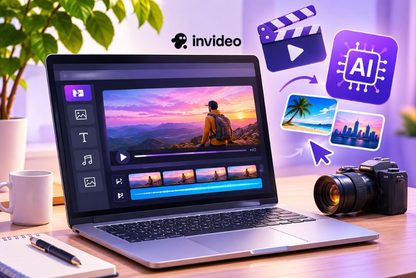
InVideo offers an AI-powered approach to video creation that helps users turn ideas into visual content through accessible digital tools. Instead of depending entirely on complicated editing processes, creators can explore ways to generate and customize videos using written instructions and automated features. This approach can be particularly useful for small businesses, content creators, marketing professionals, and educators who need to produce videos regularly. By simplifying different stages of production, AI-assisted platforms make visual communication more approachable and allow users to focus on developing meaningful stories rather than spending excessive time managing technical details.
Turning Simple Ideas into Engaging Videos with Artificial Intelligence
One of the biggest challenges in video production is transforming an initial concept into a complete visual presentation. A creator may have an interesting topic or promotional message but struggle to develop the script, select appropriate visuals, arrange scenes, and create a coherent narrative. Traditional video editing often requires familiarity with timelines, transitions, audio synchronization, and multiple software tools. These requirements can discourage beginners from experimenting with video content. Artificial intelligence offers an alternative by helping users organize creative ideas and automate selected production tasks. Written prompts can provide direction for the intended topic, visual style, audience, and overall tone.
With InVideo, users can explore AI-assisted video generation by describing the content they want to create. For example, a small business owner might request a short promotional video highlighting the benefits of a product, while an educator could develop an explanatory video about a particular subject. The quality of the result depends partly on the clarity of the instructions provided. Including details about the target audience, desired length, narration style, and key message can help guide the creative process. Reviewing generated scenes, checking factual information, and refining the final presentation remain important steps. AI can accelerate production, but human judgment is still essential for creating accurate and purposeful content.

Creating Social Media Videos That Capture Audience Attention
Social media has changed how audiences discover and interact with video content. Short-form videos are particularly popular because they communicate ideas quickly and fit naturally into mobile viewing habits. Platforms such as Instagram, YouTube, and TikTok encourage creators to experiment with different storytelling techniques, visual formats, and presentation styles. Successful social media videos often begin with a compelling introduction, communicate one clear message, and conclude with an appropriate call to action. Maintaining consistent branding and producing content regularly can also help businesses develop a recognizable online presence. However, creating fresh videos for multiple platforms can become demanding without an organized production process.
InVideo can support social media content creation by helping users develop videos from prompts and customize their presentation. Marketers may use the platform to explore product demonstrations, educational clips, promotional messages, and storytelling formats. A creator preparing a campaign can begin by identifying the audience’s interests and selecting a topic that addresses a specific question or need. The video should then be adapted to the requirements of its intended platform, including aspect ratio, duration, captions, and visual pacing. Rather than producing identical content everywhere, thoughtful customization can make each video more relevant. This strategy helps creators maintain a consistent message while responding to different audience expectations.
Making Video Marketing More Accessible for Businesses
Video marketing provides businesses with opportunities to communicate product benefits, demonstrate services, and build stronger connections with potential customers. A well-planned promotional video can explain information that might otherwise require lengthy written descriptions. Product demonstrations, customer education, brand introductions, and advertising campaigns can all benefit from clear visual communication. Nevertheless, smaller businesses may face limitations related to production budgets, specialized equipment, or access to experienced editors. AI-assisted creation tools can help reduce some of these barriers by simplifying the process of developing initial video concepts and producing marketing materials.
Businesses exploring InVideo can use AI-supported workflows to experiment with promotional videos and educational marketing content. For example, an online retailer might create a video explaining how a product fits into everyday life, while a service provider could introduce common customer problems and demonstrate possible solutions. Before generating content, marketers should establish a clear objective, such as increasing awareness, encouraging website visits, or explaining a service. The final video should use accurate product information, appropriate branding, and a message consistent with the business’s identity. Measuring audience engagement and reviewing campaign performance can provide useful insights for improving future videos.
Supporting Education, Tutorials, and Knowledge Sharing
Video is also a valuable educational resource because it can simplify complicated information through visual explanations. Students often benefit from presentations that combine narration, examples, illustrations, and clearly organized concepts. Teachers, trainers, and online course creators use videos to introduce subjects, demonstrate procedures, and reinforce learning materials. Creating educational videos traditionally involves preparing scripts, recording explanations, sourcing visual examples, and editing the final presentation. These steps can require significant preparation, especially when multiple lessons must be produced. AI-assisted tools can help educators develop initial materials more efficiently while preserving the flexibility to customize lessons for different learning objectives.
Through InVideo, educators and knowledge creators can explore video formats designed to communicate information in an accessible manner. A teacher might develop a short introduction to a scientific concept, while a professional trainer could prepare a workplace learning video. Effective educational content should follow a logical structure, introduce important terms clearly, and use examples that support understanding. AI-generated scripts and visuals should always be reviewed for factual accuracy, particularly when explaining technical or academic subjects. Accessibility considerations, including readable captions and understandable narration, can also improve the learning experience. When used responsibly, video creation technology can support more engaging and flexible approaches to knowledge sharing.

Choosing the Right AI Video Creation Workflow for Long-Term Success
Selecting a video creation platform requires more than comparing individual features. Creators should consider their production goals, technical experience, preferred content formats, and available budget. Someone producing occasional personal videos may have different requirements from a marketing team preparing frequent advertising campaigns. Factors such as editing flexibility, generation limits, export options, available media, and commercial usage permissions can influence the suitability of a platform. It is also important to understand that AI-generated videos may require additional refinement before publication. Clear scripts, consistent visual direction, and careful quality checks remain essential regardless of how much of the production process is automated.
When evaluating InVideo, prospective users should review the available creation tools, subscription options, usage allowances, and licensing conditions on the official platform. Starting with a small project can help determine whether the workflow matches personal expectations. For example, a creator could test a short educational video before developing an entire content series. Comparing the time required for generation, customization, and final editing provides a realistic understanding of the platform’s usefulness. Long-term success depends on combining efficient technology with creativity, audience awareness, and consistent quality standards. By treating artificial intelligence as a production assistant rather than a complete replacement for creative judgment, individuals and businesses can develop more effective video content strategies.