


Understanding the Character of an Older Instrument
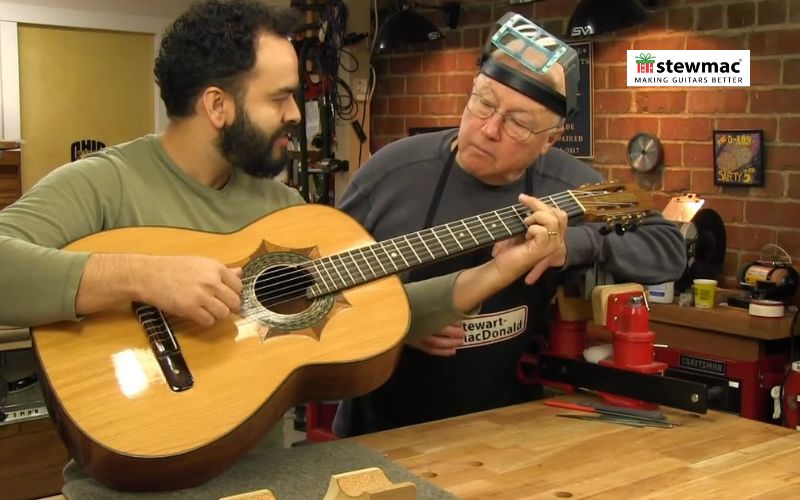
Vintage guitars have a personality that is difficult to reproduce. Their worn finishes, aged hardware, familiar shapes and distinctive sounds often carry years of musical history. However, an older instrument may also have loose components, worn frets, unstable tuning or small structural problems that affect its performance. Restoring one is not simply about making it look new again; it is about preserving its character while making it reliable and enjoyable to play. With the right preparation and a patient approach, musicians and hobbyists can learn to recognise which parts need attention and which signs of age should remain untouched. Resources from StewMac can help guitar owners understand repair methods, explore specialist tools and approach restoration projects with greater confidence.
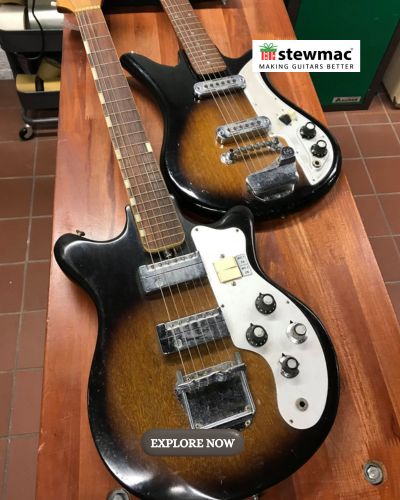
Before starting, examine the instrument carefully under good lighting. Look for cracks around the body, changes in the neck, lifting bridge edges, loose binding, damaged tuning machines and signs of previous repairs. Take photographs from several angles so that you can compare the guitar’s condition as the work progresses. It is also useful to record its measurements, hardware arrangement and existing setup. Avoid removing original parts until you understand how they are fitted and whether they can be repaired. A thoughtful inspection prevents unnecessary alterations and helps you create a realistic restoration plan.
Choosing Repairs That Preserve Originality
One of the biggest decisions in vintage restoration is deciding how much work an instrument actually needs. A guitar with a few scratches and a dull finish may still be structurally sound, while another that looks attractive could have hidden neck or bridge problems. The goal should be to preserve as much original material as practical, particularly when the instrument has historical, sentimental or collectible value. Replacing every aged component can remove some of the qualities that make an older guitar special. Instead, prioritise repairs that improve safety, stability and playability without changing its identity.
A useful restoration plan separates essential repairs from optional improvements. Structural concerns, unstable neck joints, loose bridges and serious fret problems deserve attention before cosmetic details. Original knobs, tuners, pickups and screws should be assessed individually rather than discarded automatically. If a component can be cleaned, adjusted or repaired safely, retaining it may be the better choice. The guidance and specialist supplies available through StewMac can support careful work on instruments that require precision. When dealing with rare or valuable guitars, professional assessment is sensible before making irreversible changes, especially when refinishing, routing or replacing original hardware is being considered.

Cleaning Aged Finishes and Hardware Safely
Cleaning is often the first visible stage of a restoration, but older finishes require more caution than modern surfaces. Dust, fingerprints, sweat and residue can build up around the bridge, pickguard, control plate and neck joint. Begin with a soft cloth and a gentle cleaning method suitable for the instrument’s finish. Test any product on a small, less visible area before applying it across the body. Avoid aggressive rubbing, household cleaners and unverified chemicals, as these can damage delicate lacquer, remove original patina or create cloudy patches. The aim is to remove unwanted dirt, not erase every sign of age.
Metal hardware also benefits from a measured approach. Tuning machines, bridge saddles, screws and strap buttons may have surface oxidation, but excessive polishing can remove plating or soften small details. Remove loose dust first and inspect moving parts for stiffness, corrosion or missing pieces. If a tuner is difficult to turn, check its mounting and lubrication requirements instead of forcing it. Keep removed screws and components organised so that they can be returned to their original positions. Suitable cleaning materials and repair supplies from StewMac can help make routine maintenance more controlled. Always follow product instructions and use methods appropriate to the particular material.
Restoring Playability Through Setup and Fretwork
A guitar can look beautiful and still be uncomfortable to play. Years of string tension, changes in humidity and regular use can affect neck relief, string action and intonation. Once the instrument has been inspected and cleaned, evaluate how it responds under normal playing conditions. Check whether the neck has excessive forward bow or back bow, whether the strings sit comfortably above the frets and whether notes remain clear across the fingerboard. Make adjustments gradually, measuring before and after each change. Small corrections are easier to evaluate than several adjustments made at once.
Fret condition deserves particular attention because worn, uneven or poorly seated frets can cause buzzing and inconsistent notes. Look for flat spots, sharp ends, lifted sections and uneven wear in frequently played positions. Minor problems may be addressed with suitable fretwork techniques, while extensive damage may require professional levelling, recrowning or replacement. Nut slots and the bridge saddle should also be checked because their height and condition influence tuning stability and playing comfort. Precision gauges, files and setup tools from StewMac can be useful when carrying out these tasks. Beginners should practise techniques on an inexpensive instrument before attempting delicate work on a valuable vintage guitar.
Finding Useful Tools and Current Seasonal Offers
Restoration projects can involve many different tasks, so buying tools without a plan can quickly become expensive. Start by identifying the repairs you intend to complete and make a list of the measurements, materials and specialist equipment required. A basic maintenance project may need cleaning supplies, a string-changing kit and setup tools, while fretwork or structural repairs demand more specialised equipment and experience. Choosing tools according to the actual job helps avoid unnecessary purchases and makes it easier to organise a practical workshop. It is also worth checking whether a tool can be used for several related tasks.
The current Black Friday sale displayed on StewMac features discounts of up to 50% on selected guitar tools, parts and other supplies. Its sale listings also show reduced prices on selected fretwork equipment, setup tools, hardware, cleaning products and tonewood-related items, alongside separate closeout offers. These promotions can be useful for planning future projects, especially when a required tool is included. However, discounts apply to selected products rather than the entire catalogue, and stock, prices and offer conditions may change. Compare specifications before purchasing, check compatibility with your instrument and review delivery costs and return conditions. A lower price is worthwhile only when the item suits the repair you intend to perform.
Protecting the Instrument After Restoration
Once the repair work is complete, ongoing care helps protect the time and effort invested in the instrument. Store the guitar in a suitable case when it is not being played, and avoid leaving it near radiators, direct sunlight, damp walls or places with sudden temperature changes. Wood responds to its surroundings, so very dry or excessively humid conditions can contribute to cracks, fret movement and changes in neck relief. A basic hygrometer can help monitor the environment, while regular visual checks make it easier to identify problems before they become serious. Use a suitable stand or case that supports the instrument securely.
Make maintenance part of your playing routine rather than waiting for a problem to appear. Wipe away sweat after sessions, inspect strings and tuning hardware, and listen for new buzzing or changes in tone. Keep a simple record of adjustments, repairs and replacement parts so future work can be planned accurately. If the guitar develops a structural issue or shows signs of serious damage, consult an experienced repair professional instead of experimenting with unfamiliar methods. With informed decisions, appropriate tools and consistent care, a vintage instrument can remain playable while retaining the details that make it distinctive. Thoughtful restoration is ultimately about respecting its history and allowing it to create many more musical memories.