



Turn Your Passion for Music into a Creative Project
Building an acoustic guitar is a rewarding experience that combines creativity, patience and practical craftsmanship. Unlike simply purchasing an instrument, creating one allows you to understand how its individual components work together and influence the final result. From selecting suitable wood to shaping the body and choosing the finishing details, every stage offers an opportunity to develop new skills. Whether you are an experienced guitar enthusiast or someone interested in learning the basics of instrument making, having access to suitable materials and specialist equipment can make the process more organised. StewMac provides guitar-building supplies, woodworking tools and accessories for people interested in creating, repairing and personalising musical instruments.
A successful project begins with a realistic plan. Decide whether you want to build a traditional acoustic guitar, experiment with a smaller body design or create an instrument with distinctive visual details. Consider your available workspace, experience and budget before selecting materials. Preparing a list of required components can help you understand the scope of the project and avoid unnecessary purchases. It is also useful to study different guitar designs to understand their construction and identify the features that suit your preferences.
Choose Wood That Complements Your Design
Wood selection is one of the most interesting stages of acoustic guitar building. Different types of wood offer different appearances, working characteristics and tonal properties. The top, back, sides, neck and fingerboard each have specific requirements, so the material should be selected according to its intended purpose. Spruce is commonly used for guitar tops, while mahogany and rosewood are popular choices for other parts of acoustic instruments. However, the best selection depends on the design, construction method and desired characteristics.
It is important to examine the wood carefully before beginning any cutting or shaping work. Look for suitable dimensions, consistent grain and signs of damage that could affect the project. Wood should also be stored in appropriate conditions because changes in moisture can cause movement and make precise construction more difficult. StewMac offers tonewoods, guitar blanks and building materials that can help enthusiasts explore different construction possibilities. Reading product descriptions and checking measurements before ordering can make material selection easier and more reliable.
Shape the Body and Prepare the Neck
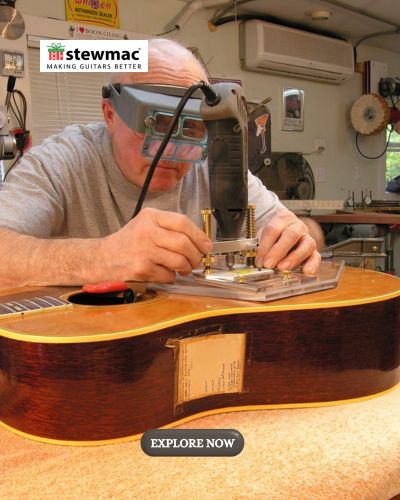
The body gives an acoustic guitar much of its visual identity, while its construction contributes to the instrument’s overall response. Creating the body requires accurate measurements, careful shaping and attention to the relationship between its different sections. The sides must be prepared to follow the intended curves, and the top and back need suitable support. These stages demand patience because small inaccuracies can create difficulties during assembly. Beginners should study the construction process carefully and practise basic woodworking techniques before working with expensive materials.
The neck is equally important because it influences playing comfort and the overall stability of the instrument. Its dimensions, alignment and fingerboard surface must be prepared with precision. The fretboard should be suitable for the intended scale length, while the frets need consistent placement and finishing. StewMac provides specialised measuring equipment, fretwork tools, neck supports and woodworking accessories for different stages of guitar construction. Using the correct equipment and following reliable instructions can help make detailed tasks more manageable.
Select Hardware and Finishing Details
Once the main wooden components are prepared, the next stage involves selecting hardware and other essential parts. Bridges, tuning machines, nuts, saddles and strings all contribute to the instrument’s functionality. Their dimensions and compatibility should be checked before installation. A bridge must be positioned accurately, while tuning machines should fit the headstock correctly. Choosing components based only on appearance can lead to fitting problems, so measurements and specifications should always come first.
Finishing is another opportunity to give the instrument a personal identity. Some builders prefer a natural appearance that highlights the grain, while others choose colours and finishes that create a more distinctive look. Surface preparation is essential because scratches, dust and uneven areas can become visible after the coating is applied. Different finishing products also have specific application and safety requirements. StewMac offers finishing supplies, polishing products, hardware and accessories that can support various guitar-building and restoration projects. Always follow the manufacturer’s instructions and allow the required drying and curing time.
Explore Current Offers on Guitar-Building Supplies
Building an acoustic guitar can involve several purchases, particularly when you need specialised tools, tonewoods and replacement components. A practical approach is to divide the project into stages and purchase materials according to immediate requirements. Essential measuring and cutting tools should generally take priority over optional accessories. Comparing individual products with available sets can also help you decide which option offers better value for your workshop.
The official StewMac website is currently promoting Black Friday offers with discounts of up to 50% on selected guitar tools, parts and workshop supplies. Its promotional selection includes eligible screwdriver and wrench sets, neck rests, bench pads, scraper tools and various setup accessories. The closeout section also features selected products at reduced prices, with discounts depending on the individual item and availability. Certain tonewood and guitar-building materials may have separate promotional offers. These discounts are not available across the entire catalogue, so it is important to review the product page and checkout conditions before completing a purchase.
For better budget management, prepare a shopping list and identify the materials that are essential for your design. Compare specifications, dimensions and compatibility before selecting an item. If you are ordering internationally, remember to consider delivery costs and any additional charges that may apply. Checking the availability of materials before starting a construction stage can also help prevent unnecessary delays. A carefully planned purchase is often more valuable than buying several discounted products without a clear purpose.

Develop Your Craftsmanship with Every New Build
Acoustic guitar building is a skill that improves through practice and experience. Your first project may introduce you to basic measurements and woodworking, while later builds can involve more detailed shaping, fretwork and finishing techniques. Keeping photographs and notes throughout the process can help you understand what worked well and what could be improved. Recording the materials, measurements and tools used also makes it easier to repeat successful techniques in future projects.
There is no need to rush through the process. Give each stage enough time, check your measurements and seek professional guidance when a task requires experience beyond your current skills. Working in a clean, organised space and following appropriate safety precautions are equally important. The satisfaction of completing a handmade guitar comes not only from the finished instrument but also from everything learned along the way. Explore StewMac for guitar-building tools, tonewoods, hardware, finishing supplies and current offers that can help bring your next musical project to life.