



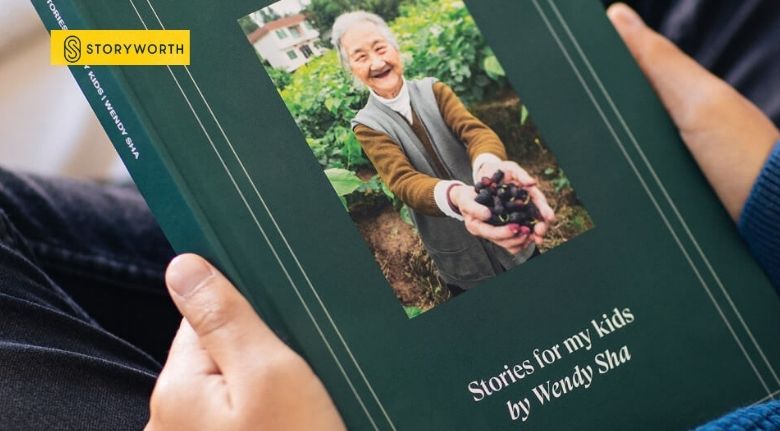
Family memories often live in the stories we hear at the dinner table, during holidays, or while looking through old photographs. Someone remembers their first job, another person talks about childhood adventures, and grandparents share experiences from a time that younger generations never knew. These moments can feel ordinary when they are being told, but over time they can become some of the most meaningful parts of a family’s history.
The challenge is that memories are rarely written down in an organized way. Stories can remain scattered across conversations, photographs, messages, and family gatherings. Creating a personal memoir can turn those individual memories into something that can be revisited and shared for years.
Storyworth makes this process easier by using weekly questions to encourage people to tell stories about their lives. Stories can be written, shared through email, or recorded by phone on eligible plans, and photos can be added to bring those memories to life. The finished stories can then be organized into a hardcover keepsake book.
Start With the Stories Your Family Already Loves
Every family has stories that seem to come up again and again. Perhaps there is a funny childhood memory, a memorable family trip, an unusual first job, or a story about how two people met. These familiar stories are often a great starting point because they already have emotional meaning.
However, some of the most valuable memories are not necessarily the dramatic ones. Everyday experiences can tell future generations a great deal about how someone lived, what they valued, and what mattered to them. Memories of school, friendships, hobbies, celebrations, challenges, and family traditions can all help create a fuller picture of a person’s life.
Storyworth uses thoughtful prompts to encourage this type of reflection. Its question library contains hundreds of prompts covering areas such as childhood, family history, education, travel, relationships, careers, hobbies, values, and life lessons. Users can also choose different questions or create their own.
This makes the storytelling process feel less intimidating. Instead of staring at a blank page and wondering where to begin, the storyteller receives a specific question that can inspire a memory.
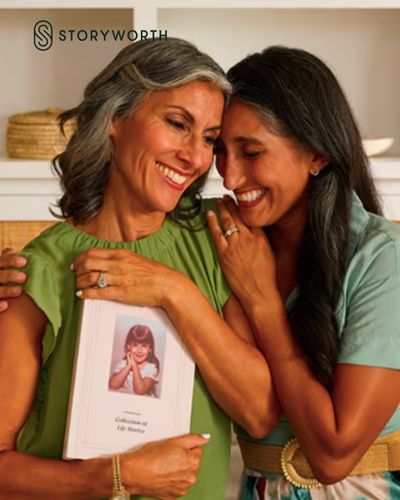
Make Storytelling Easy for Different Generations
One reason family stories sometimes disappear is that writing a memoir can feel like a huge project. Sitting down and trying to write an entire life story at once may be overwhelming, especially for someone who does not regularly write.
Breaking the process into smaller pieces can make a major difference. Answering one question at a time gives the storyteller an opportunity to focus on a single memory rather than thinking about their entire life. A short answer can be meaningful, while a question that inspires a longer story can become a detailed chapter.
Storyworth is designed around this gradual approach. A storyteller typically receives one question each week by email or text and can answer by replying or using the website. Missed questions can be answered later, so the process does not have to feel like a strict deadline.
For people who find speaking easier than writing, eligible Storyworth plans also provide voice-recording options. Stories can be told over the phone and transcribed, while guided interviews can help bring out additional details. This gives different generations more flexibility in how they share their experiences.
Bring Memories to Life With Photographs
Words can preserve the details of a memory, but photographs can add another layer of meaning. An old family picture can bring back a person’s appearance, surroundings, relationships, and emotions in a way that is difficult to capture through text alone.
When creating a family memoir, photographs can be selected to complement individual stories. A childhood story might include an old school photograph, while a travel memory could be paired with pictures from the trip. Family celebrations, weddings, birthdays, homes, pets, hobbies, and important milestones can all become part of the visual history.
Storyworth allows storytellers to add photos to their stories and incorporates them into the design of the printed book. The platform also provides layouts designed around stories and photographs, helping transform individual memories into a more cohesive keepsake.
It can be helpful to avoid choosing only the most polished photographs. Candid pictures can sometimes be even more meaningful because they show everyday life. A photograph does not need to be perfect to become an important piece of family history.
Turn Personal Experiences Into Life Lessons
A family memoir does not have to be a simple timeline of events. Some of the most valuable parts can come from the lessons someone learned along the way.
Questions about difficult decisions, personal achievements, mistakes, friendships, careers, parenting, relationships, or changing priorities can reveal perspectives that younger family members may never have heard before. These reflections can help transform a collection of memories into something more personal and meaningful.
For example, a story about someone’s first job can become more than an account of where they worked. It might explain what they learned about responsibility, money, confidence, or dealing with difficult situations. A story about a major move could reveal how the person handled uncertainty and built a new life.
Storyworth’s prompts are designed to encourage this kind of reflection, with questions that explore not only what happened but also what people learned and what they value. The service can therefore become a way for families to discover stories and perspectives that may never have been discussed before.
Make the Memoir a Family Experience
Although one person may be the main storyteller, creating a memoir does not have to be a completely individual activity. Family members can participate by suggesting questions, sharing photographs, or encouraging the storyteller to expand on memories.
This can be especially meaningful when younger relatives become involved. Children and grandchildren may have questions about their family’s past that older generations have never considered answering. A simple question can sometimes lead to a story that nobody else in the family has heard before.
Storyworth supports family sharing, allowing people on the storyteller’s sharing list to receive stories as they are shared. Certain plans also include Family Calls, while the Unlimited plan provides additional options for involving multiple storytellers.
This collaborative approach can make the memoir feel less like an assignment and more like an ongoing family conversation. Instead of waiting for a major reunion to exchange memories, relatives can stay connected through stories throughout the year.
For families living in different cities or countries, this can be particularly valuable. Distance does not have to prevent relatives from learning more about one another’s experiences.
Create a Keepsake for Future Generations
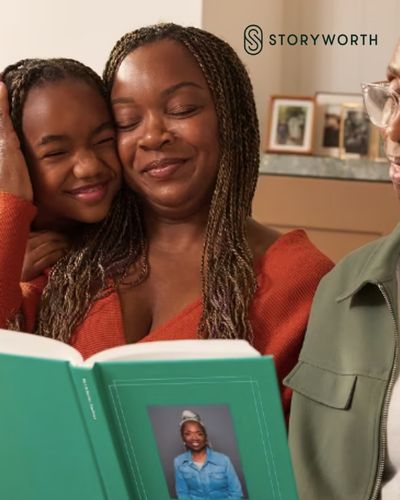
Once the stories have been collected, one of the most rewarding parts of the process is seeing them become a finished book. A collection of individual answers can be edited, arranged, combined with photographs, and transformed into a physical memoir.
Storyworth allows users to review and edit their stories before ordering the final book. The memoir can be organized so that the stories appear in an order that makes sense for the storyteller and the family. Hardcover books are available with different interior options depending on the selected plan.
The physical format matters because digital memories can easily become buried among thousands of other files. A printed book can instead sit on a bookshelf and be picked up years later. Family members can read individual chapters, look through photographs, and discover details about relatives they may never have had the opportunity to know personally.
A memoir can also become a meaningful gift for birthdays, anniversaries, retirements, Mother’s Day, Father’s Day, or other important milestones. Storyworth specifically presents its memoir service as a gift that can help preserve a loved one’s memories and legacy.
The real value of preserving family stories is not simply having a beautiful book. It is creating a record of experiences, personalities, values, relationships, and lessons that might otherwise disappear with time.
A person’s life is made up of thousands of moments, but only a small number are usually written down. By asking thoughtful questions and making storytelling part of the family’s routine, those moments can be preserved in a way that future generations can understand and appreciate.
Whether the goal is to learn more about a parent, preserve a grandparent’s memories, document your own experiences, or create a meaningful family gift, a guided storytelling process can make the task much easier. With regular prompts, photographs, personal reflections, and a finished keepsake book, family history can become something that is not only remembered but passed forward.
Everyone has stories worth sharing. Sometimes all it takes is the right question to bring one back.