

Reliable electricity has become an essential part of everyday life. Smartphones, laptops, cameras, refrigerators, lights, communication devices, and many other appliances all depend on power. When electricity is unavailable during a camping trip, road adventure, outdoor project, or unexpected outage, having a dependable backup can make a significant difference.
Traditional fuel generators can provide substantial power, but they may involve fuel, fumes, engine noise, and regular maintenance. Portable power stations offer another approach by storing electricity in a rechargeable battery and making it available through different output ports. Jackery has developed portable power stations and solar generators designed for outdoor activities, emergency backup, travel, and off-grid lifestyles.
A Jackery portable power station can be recharged through an electrical outlet, a vehicle, or compatible solar panels. Its stored energy can then be used through AC, DC, or USB outputs to power compatible electronics and appliances. This flexibility makes portable energy useful in situations where access to a traditional power source is limited.
Understanding Portable Power Stations
A portable power station can be thought of as a large rechargeable battery designed to supply electricity to multiple devices. Unlike a basic power bank that is primarily intended for smartphones and small electronics, larger power stations can support a wider range of equipment, depending on their capacity and output specifications.
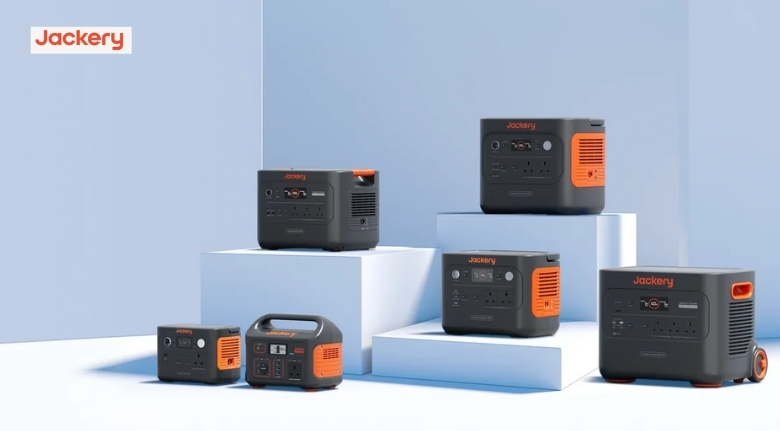
Jackery offers portable power stations in different capacities, allowing users to select a model based on their particular needs. Smaller units can be useful for charging phones, tablets, cameras, and laptops, while higher-capacity models are designed for larger appliances and longer periods without access to the electrical grid.
Capacity is usually measured in watt-hours, or Wh. A higher watt-hour rating generally means that the battery can store more energy, although actual runtime depends on the power consumption of the connected device. Understanding the difference between capacity and output is therefore important when choosing a portable power station.
For example, someone who primarily needs emergency charging for communication devices may not require a large system. On the other hand, an RV traveler who wants to operate several appliances may benefit from a higher-capacity solution. Choosing according to actual usage helps prevent unnecessary spending while ensuring sufficient power is available when needed.
Solar Energy for Greater Independence
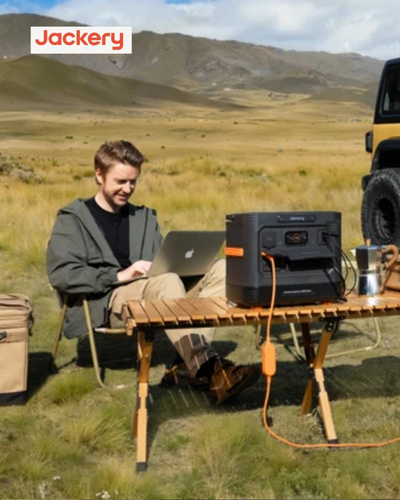
One of the most useful features of a solar generator is the ability to recharge using sunlight. A solar generator combines a portable power station with compatible solar panels, allowing users to collect solar energy, store it in the battery, and use that stored energy later. This creates a practical option for outdoor and off-grid situations.
Jackery explains that its solar generators collect energy through solar panels, store it in a portable power station, and then deliver usable electricity through AC, DC, and USB outputs. The system can also be recharged through conventional electrical outlets or vehicle charging, depending on the model.
Solar charging can be particularly useful during extended outdoor trips. Instead of depending entirely on a wall outlet, users can place compatible solar panels where they receive sunlight and replenish the stored energy. Weather conditions, sunlight intensity, panel positioning, and other factors can influence charging performance, so realistic expectations are important.
For people interested in reducing dependence on traditional fuel-powered generators, solar-powered backup can also provide a cleaner and quieter alternative. Jackery’s portable power station range is designed to operate without the fumes and engine noise associated with conventional gasoline generators.
A Practical Companion for Camping and Road Trips
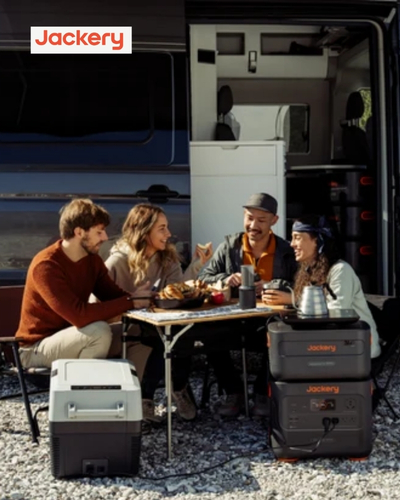
Camping is one of the most obvious situations where portable electricity can become valuable. Modern campers often bring phones, cameras, GPS devices, lights, speakers, coolers, laptops, and other electronics. Even when the goal is to disconnect from everyday life, having access to essential power can make an outdoor experience more comfortable.
A portable power station can provide electricity without requiring a campsite electrical hookup. Depending on its capacity, it can support lighting, charge personal electronics, operate compatible equipment, and help keep essential devices available throughout the trip. Solar panels can provide an additional charging option during longer adventures.
Road trips and RV travel can benefit from portable power as well. Travelers may spend extended periods away from traditional electrical infrastructure, especially when visiting remote locations. Having a rechargeable energy source allows people to enjoy greater flexibility when choosing where to stop and stay.
Jackery offers solar generator combinations designed for camping, RV travel, and off-grid use. Its current product range includes different capacities and configurations, giving travelers the opportunity to match their power requirements with the type and length of their journey.
Backup Power for Home Emergencies
Power outages can create unexpected problems at home. Losing electricity may interrupt internet connectivity, lighting, refrigeration, communication, and other everyday activities. A portable power station can serve as a backup source for selected essential devices, depending on its capacity and output.
Small systems can be useful for keeping phones, tablets, routers, and other communication devices charged. Larger systems can support additional appliances. The correct choice depends on which devices need to remain operational and how long the backup power may be required.
Jackery’s current range includes portable power stations and larger home backup solutions. The company categorizes its products according to different power needs, including essential home backup, whole-home backup, RV and off-grid applications, camping, and everyday use.
Preparing before an outage is more practical than trying to find a solution after the electricity has already disappeared. Keeping a charged power station in an accessible location, checking cables regularly, and understanding the power requirements of essential appliances can make emergency preparation more effective.
It is also important to remember that not every power station can operate every household appliance. High-power devices such as heating equipment, large refrigerators, or certain power tools may require substantial output. Users should always check the rated capacity, continuous output, surge requirements, and compatibility before connecting an appliance.
Choosing the Right Power Capacity
Selecting a portable power station should begin with identifying how it will actually be used. Instead of choosing the largest model automatically, make a list of the devices that need power and estimate their consumption. This simple step can help determine whether a compact unit or a larger battery system is more appropriate.
For occasional phone and laptop charging, a smaller portable power station may be sufficient. Outdoor enthusiasts who want to operate lights, cameras, coolers, and other equipment for longer periods may prefer a medium-capacity model. RV users or households preparing for extended outages may need a considerably larger system.
Jackery’s current product lineup includes models ranging from compact units such as the Explorer 100 Plus and Explorer 240 v2 to higher-capacity systems such as the Explorer 2000 Plus and Explorer 5000 Plus. Specifications vary by model, including battery capacity, output, charging options, and expandability.
Portability should also be considered. A powerful battery that is difficult to move may not be ideal for frequent camping or road travel. Conversely, choosing an extremely compact model for demanding home backup needs could leave users without enough stored energy. The best choice balances capacity, output, weight, portability, charging speed, and intended use.
Making Outdoor Power More Convenient
Portability is one of the major advantages of modern battery power. Traditional generators often require fuel and can be inconvenient to transport, while a rechargeable power station can be moved between locations and charged in different ways. This flexibility is useful for campers, photographers, remote workers, travelers, and outdoor professionals.
Jackery’s portable power stations are designed with different physical formats and capacities to suit different environments. Some models focus on compact portability, while larger systems provide increased capacity for more demanding applications. The company’s product information also highlights multiple charging options, including AC power, vehicle charging, and solar charging.
Another advantage is quiet operation. Because portable power stations use batteries instead of combustion engines, they do not need to run an internal gasoline engine while supplying stored electricity. This can be especially helpful at campsites, during nighttime use, or in situations where excessive noise would be disruptive.
The lack of fuel handling can also make battery-based power more convenient for everyday users. Instead of storing gasoline for occasional use, a rechargeable power station can remain ready for use when properly maintained and charged.
Building a Smarter Portable Power Setup
A portable power station becomes even more useful when paired with the right accessories. Solar panels can provide renewable charging during outdoor trips, while appropriate cables and adapters help users connect compatible devices. Protective storage and transportation solutions can also make it easier to keep equipment organized.
Jackery offers solar panels and accessories alongside its portable power stations and solar generators. Its product range includes foldable solar panels designed to capture sunlight and recharge compatible power stations.
Before purchasing accessories, compatibility should always be checked. Different power stations may have specific input limits, connectors, and charging requirements. Using compatible equipment helps ensure safe and efficient operation.
It is also useful to develop a simple charging routine. For example, travelers can recharge the power station after returning from a trip, while emergency-preparedness users can periodically check the battery level. Keeping the system ready means there is less work to do when electricity is suddenly needed.
Jackery’s current range demonstrates how portable power has evolved beyond simple emergency charging. With different capacities, solar charging options, and designs for home and outdoor use, portable energy can become part of a broader lifestyle rather than an occasional backup device.
Ultimately, the right portable power solution depends on individual requirements. A camper may prioritize lightweight portability, an RV traveler may need higher capacity, and a homeowner may focus on backup performance. By understanding energy consumption, battery capacity, output requirements, charging methods, and portability, users can make a more informed decision.
Jackery provides a range of portable power stations and solar generators designed to give users more flexibility when conventional electricity is unavailable. Whether the goal is preparing for an unexpected outage, exploring remote destinations, working outdoors, or enjoying a longer camping trip, portable energy can make these experiences more convenient.
As technology continues to improve, portable power is becoming an increasingly practical part of everyday life. Combining rechargeable battery storage with solar energy gives users another way to access electricity when and where they need it. With thoughtful planning and the right capacity, a portable power station can provide dependable support while helping people stay connected, productive, and prepared wherever their next adventure takes them.