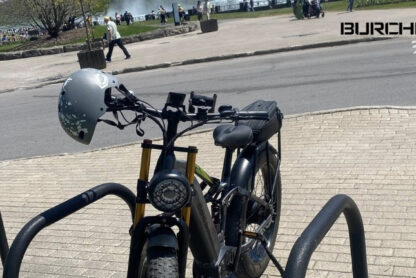



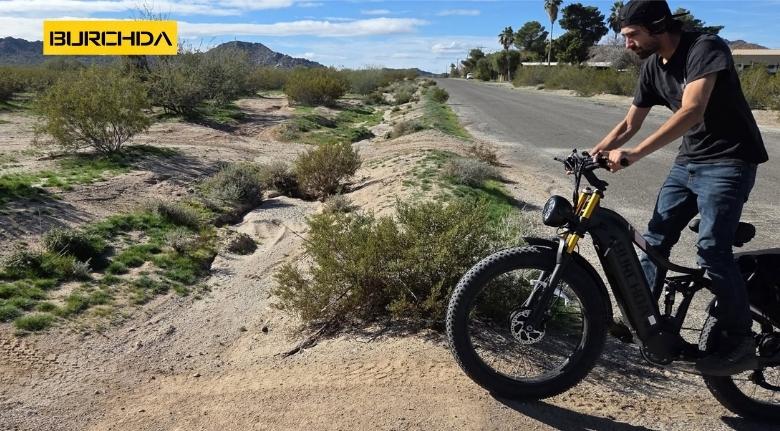

Choosing an electric bike is not simply about finding the model with the highest power or the longest advertised range. The right e-bike depends on how, where, and how often you plan to ride. Someone commuting through city streets will have different requirements from a rider looking for weekend adventures on trails or uneven terrain.
Before making a decision, it helps to think about your daily routine and the type of riding you enjoy most. Consider the distances you usually travel, the surfaces you ride on, how much equipment you carry, and whether you need to store or transport the bike regularly. Burchda Bikes offers different e-bike designs aimed at various riding situations, making it useful to compare features according to your individual needs rather than choosing based on appearance alone.
How to identify the type of riding you actually need
The first step is deciding where you expect to use your e-bike most often. City commuters may prioritise a comfortable riding position, practical handling, dependable battery performance, and easy storage. If your typical route includes paved roads and dedicated bike paths, you may not need the same equipment as someone regularly riding on gravel, sand, or rough trails.
For recreational riders, versatility can be more important. A bike that performs well on different surfaces can make weekend trips more enjoyable and allow you to explore routes beyond ordinary roads. Riders who frequently encounter hills or uneven terrain may also want to pay closer attention to motor performance and overall bike construction.
Burchda Bikes offers models designed for different riding preferences, so comparing the intended use of each type can help narrow down the choices. Instead of asking which e-bike is generally the best, consider which features solve the specific challenges you are likely to encounter.
Your riding frequency matters too. Someone using an e-bike every day for commuting may benefit from prioritising durability, comfort, charging convenience, and practical accessories. Occasional riders, meanwhile, may place greater emphasis on versatility and recreational performance.
It is also worth considering the distance between your home and the places you regularly visit. A short urban commute does not necessarily require the same battery capacity as long-distance recreational riding. Matching the bike to your actual routine can prevent you from paying for specifications you may rarely use.
Why motor power and battery range matter
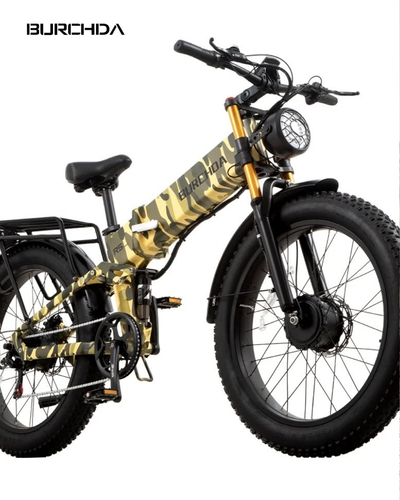
Motor performance can influence how an e-bike feels on hills, rough surfaces, and longer journeys. However, more power is not automatically better for every rider. The ideal setup depends on the terrain, rider weight, intended speed, local regulations, and the type of assistance you want while pedalling.
Battery capacity is equally important because it determines how far you can potentially ride before recharging. When comparing models, avoid relying only on a manufacturer’s maximum range figure. Real-world range can vary depending on terrain, rider weight, weather, riding mode, tyre pressure, and how frequently the motor is used.
Burchda Bikes provides e-bike options with different performance characteristics, allowing riders to consider battery and motor specifications alongside their intended use. If you regularly travel longer distances, a larger battery may offer greater convenience, while shorter commutes may not require as much capacity.
Charging habits should also be considered. Think about where you will charge the bike and how often you expect to use it. A rider who has easy access to a charging point at home or work may have different requirements from someone who needs to maximise every trip between charges.
Ultimately, motor power and battery range should be evaluated together with your riding environment. Choosing specifications that match your real routes can provide a more practical and enjoyable e-bike experience.
When fat tires and suspension make a difference
The type of terrain you ride on can determine whether features such as fat tires and suspension are genuinely useful. Wider tires can provide additional stability and traction on surfaces such as sand, gravel, loose ground, and some uneven trails. For riders who mainly stay on smooth pavement, however, a more conventional setup may be sufficient.
Suspension can also improve comfort when riding over bumps and rougher surfaces. Instead of transferring every irregularity directly to the rider, a suitable suspension system can help absorb some of the impact. This can be particularly valuable during longer recreational rides or off-road trips.
Burchda Bikes offers models with different configurations, allowing riders to consider features according to their preferred terrain. Before choosing a fat-tire or suspension-equipped model, think about where you will actually ride rather than selecting these features simply because they sound more advanced.
Tire size can also affect handling. Wider tires may provide greater stability, but they can have different rolling characteristics compared with narrower tires. Riders who frequently move between paved roads and rougher surfaces should consider whether the added versatility is worth the trade-offs for their particular routine.
Suspension settings and maintenance are also worth considering. Components that experience frequent use on rough terrain may require more attention over time. Understanding the basic maintenance requirements before buying can help you make a more informed decision.
Choosing between folding and full-size e-bikes
Storage and transportation can be just as important as riding performance. A full-size e-bike may provide a familiar riding experience and plenty of stability, while a folding model can be particularly useful for riders with limited storage space or those who regularly need to transport their bike.
Folding e-bikes can make it easier to store a bike in an apartment, office, vehicle, or other compact space. They may also be convenient for riders who combine cycling with other forms of transportation. However, folding mechanisms and compact designs can influence the overall feel and weight of the bike, so it is important to consider how you will use it.
Burchda Bikes offers different e-bike styles, allowing riders to compare practical factors such as size, portability, and intended use. If your main priority is commuting and storage convenience, a folding design may make sense. Riders focused on longer recreational journeys may prefer the stability and full-size setup of a conventional model.
Before buying, measure the available storage area and check whether the folded or assembled dimensions will fit comfortably. If you plan to transport the e-bike by car, consider the vehicle’s available space and the weight you will need to handle when loading and unloading it.
The best choice is ultimately the one that fits naturally into your lifestyle. A high-performance bike that is difficult to store or transport may become inconvenient, while a compact model that matches your daily routine can encourage you to ride more often.
What to consider before buying an e-bike
Buying an e-bike is a significant decision, so it is worth looking beyond the headline specifications. Start by checking the bike’s dimensions, weight, battery details, motor specifications, braking system, tires, suspension, and included equipment. These features can affect how comfortable and practical the bike will be in everyday use.
Rider fit should also be a priority. Check the recommended rider height and consider whether the frame, saddle, handlebars, and riding position can be adjusted to suit you. A bike that does not fit properly can become uncomfortable, particularly during longer rides.
Burchda Bikes offers several e-bike configurations, so comparing the specifications of individual models can help you identify which one is most suitable for your needs. It is also important to review the manufacturer’s information regarding charging, maintenance, warranty coverage, and other ownership requirements before making a purchase.
Local regulations should never be overlooked. Rules concerning e-bike classifications, motor assistance, speed limits, equipment, and where certain models can be ridden can differ depending on your location. Checking the applicable requirements before buying can help you choose a model that is appropriate for your intended use.
Finally, think about the long-term ownership experience. Consider how easy it will be to charge the battery, maintain the bike, obtain compatible replacement components, and have repairs handled when necessary. These practical details can matter just as much as the initial specifications.
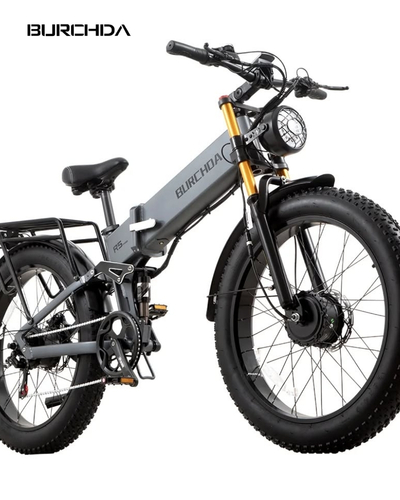
How to make your e-bike a practical part of everyday life
Once you have chosen an e-bike, the next step is making it genuinely useful. Start by identifying journeys where cycling can replace short car trips or other forms of transportation. Regular commuting, shopping, local errands, and weekend rides can all become opportunities to use the bike.
Planning your routes in advance can also make riding more enjoyable. Look for quieter roads, dedicated cycling paths, and routes that suit your bike’s capabilities. If your journey includes steep hills, rough surfaces, or long distances, make sure the chosen route matches the bike’s intended use.
Burchda Bikes offers models designed for different riding styles, but even a capable e-bike benefits from regular care. Check tire pressure, brakes, chain components, and other key parts periodically. Keeping the battery charged according to the manufacturer’s guidance can also help maintain reliable performance.
Practical accessories can make everyday riding easier. Depending on your needs, you might consider storage solutions, suitable lighting, protective equipment, or other cycling essentials. The goal is not to add unnecessary equipment but to make the bike work better for your routine.
An e-bike can be more than a recreational purchase. When the model matches your terrain, distance, storage needs, and riding habits, it can become a convenient way to travel while also making everyday journeys more enjoyable.
The most important step is choosing based on your actual lifestyle rather than chasing the biggest numbers on a specification sheet. Think about where you ride, how far you travel, how you store the bike, and what kind of comfort and performance you need. With those factors in mind, comparing e-bike options becomes much simpler.