




Healthy eating is not about following every new diet trend or avoiding all your favourite foods. It is about understanding what your body needs, enjoying a variety of foods, and building habits that fit your everyday life. With so much conflicting nutrition advice available online, choosing a practical approach can sometimes feel confusing. Learning the basics of nutrition can help you make more informed decisions and develop a healthier relationship with food.
ZOE is a nutrition science company that focuses on gut health and personalised nutrition. It uses scientific research to help people understand how food choices relate to their health and everyday habits. Through its health app, gut health testing, educational resources, podcast, and food products, ZOE aims to make nutrition science more accessible. Its approach encourages people to focus on food quality, variety, and sustainable changes rather than relying entirely on restrictive diets.
Understand the Importance of Gut Health
The digestive system does more than break down food. It helps the body absorb nutrients and supports several important processes. The gut microbiome, which consists of microorganisms living in the digestive tract, is another important area of nutrition research. Scientists continue to study how these microorganisms interact with food, lifestyle habits, and different aspects of human health.
ZOE focuses on understanding the relationship between nutrition and the gut microbiome. Its research explores how different foods may affect gut bacteria and how individual responses to food can vary. This approach encourages people to look beyond simple dietary rules and consider the quality and variety of what they eat.
One practical way to support a varied diet is to include different plant-based foods throughout the week. Vegetables, fruits, beans, lentils, whole grains, nuts, and seeds provide different nutrients and types of fibre. Introducing more variety can be as simple as adding beans to a salad, including another vegetable with dinner, or choosing fruit for a snack.
It is also helpful to pay attention to how your eating habits fit into your daily routine. Regular meals, sufficient water, and a balanced selection of ingredients can provide a useful foundation for healthy eating. However, there is no single meal plan that works equally well for everyone.
Understanding gut health should not create unnecessary pressure to follow complicated rules. Start with manageable changes, observe what works for you, and seek professional advice if you have persistent digestive symptoms or specific health concerns. Reliable information and realistic habits can help you make thoughtful decisions without becoming overwhelmed by nutrition trends.
Build Balanced Meals with a Greater Variety of Foods
A balanced meal does not need to be expensive or complicated. Everyday ingredients can provide a useful combination of nutrients when meals include a variety of foods. Vegetables, whole grains, protein sources, and healthy fats can all contribute to a satisfying eating pattern, with the exact combination depending on personal preferences and dietary needs.
ZOE promotes an approach that focuses on improving food choices through variety rather than concentrating exclusively on restriction. This can make healthy eating feel more achievable because it encourages people to add nutritious ingredients to familiar meals instead of completely changing their diets.
For breakfast, you might combine oats with fruit, nuts, or seeds. At lunch, consider adding vegetables and a source of protein to your usual meal. For dinner, ingredients such as lentils, beans, whole grains, and seasonal vegetables can create filling dishes without requiring complicated preparation.
Planning ahead can also make balanced eating easier. Preparing vegetables, cooking a batch of grains, or keeping convenient ingredients available can reduce the effort required to prepare meals during a busy week. You do not need to cook every dish from scratch to make thoughtful food choices.
Variety is important for enjoyment as well as nutrition. Experiment with different cooking methods, herbs, spices, and seasonal ingredients to keep familiar meals interesting. If you enjoy trying new recipes, choose one or two each week rather than attempting to change your entire menu at once.
Remember that healthy eating does not require perfection at every meal. Your overall habits matter more than a single food choice. By making gradual improvements and choosing ingredients you genuinely enjoy, you can develop a more balanced routine that is easier to maintain over time.

Make More Informed Food Choices
Choosing what to eat can become confusing when product labels and online recommendations provide conflicting information. Some advice focuses on calories, while other sources emphasize carbohydrates, fats, or individual ingredients. Understanding the wider nutritional picture can help you make decisions based on your needs rather than following every new claim.
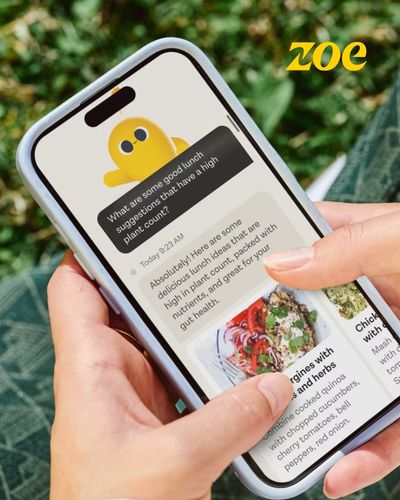
ZOE offers educational resources and digital tools designed to help people learn more about food and nutrition. Its health app includes features intended to support food tracking and informed eating habits. Depending on the available membership, users may also access personalised nutrition insights and additional gut health information.
When shopping for food, begin by considering the ingredients and nutritional information. Fibre, protein, added sugars, sodium, and portion sizes can all be relevant, depending on the product. It is important to look at the overall composition of a food rather than judging it by one number or ingredient alone.
You can also make shopping easier by planning meals before visiting the supermarket. Write down the ingredients you need, choose a variety of produce, and consider how different foods can be used across several meals. This approach may reduce food waste and help you stay within your budget.
Be cautious of nutrition advice that promises dramatic results through a single ingredient or a rigid set of rules. Research findings need to be considered in context, and general recommendations may not suit every individual. A trustworthy resource should explain its approach clearly and help you understand the limits of the information it provides.
Nutrition tools can support learning, but they should not replace your own judgement or professional guidance when needed. By combining reliable information with practical shopping habits, you can make food choices that suit your preferences, lifestyle, and nutritional requirements.
Develop Healthy Habits Without Restrictive Diets
Many people begin a new diet with ambitious goals, only to find that the routine becomes difficult to maintain. Restrictive plans can make eating feel stressful, particularly when they eliminate many familiar foods or require constant monitoring. A more flexible approach can help you build habits that fit everyday life.
ZOE encourages people to focus on improving their overall eating patterns rather than treating healthy nutrition as a list of foods to avoid. This philosophy supports gradual changes, greater food variety, and an approach that leaves room for enjoyment. The aim is to make healthier choices part of a sustainable lifestyle.
Start by selecting one or two habits that feel achievable. You could add another serving of vegetables to your daily meals, prepare lunch at home more often, or experiment with a new source of fibre. Once these actions become familiar, you can gradually introduce additional changes.
Consistency matters more than perfection. Busy schedules, celebrations, travel, and unexpected plans can all affect what you eat. One meal that differs from your usual routine does not undo your progress. Returning to your regular habits at the next opportunity is often more practical than trying to compensate with unnecessary restrictions.
Healthy routines also extend beyond food. Regular physical activity, adequate sleep, hydration, and stress management can contribute to overall well-being. Nutrition is one part of a broader lifestyle, so it is useful to consider how these habits work together.
If you have a medical condition, food allergies, specific nutritional requirements, or a history of disordered eating, consult a qualified healthcare professional before making significant dietary changes. Personal guidance can help you choose an approach that is appropriate for your circumstances.
By setting realistic goals and allowing flexibility, you can make healthy eating feel less like a temporary challenge and more like a natural part of everyday life.
Explore ZOE’s Nutrition Tools and Resources
Learning about nutrition can be easier when information is presented in a practical and accessible way. Some people prefer reading articles, while others benefit from tracking meals or listening to discussions with researchers. Choosing a method that suits your routine can help you stay engaged without creating unnecessary pressure.
ZOE offers several resources for people interested in gut health and nutrition science. Its app provides food-related tools and educational information, while its gut health testing service offers additional insights into the gut microbiome. The company also publishes the ZOE Science & Nutrition podcast, which explores nutrition research and related health topics.
Before selecting a product, consider what you want to learn. If you are mainly interested in developing better eating habits, educational content or food-tracking features may be a useful starting point. If you want to understand more about your gut microbiome, review the details of the testing service and the information it provides.
Check the official website for current membership options, product availability, pricing, and eligibility requirements. Features and services may differ depending on the product and location. Reviewing these details before making a purchase helps you understand what is included and whether the service matches your expectations.
It is also important to understand the limits of digital health tools. Nutrition apps and tests can provide information, but they cannot explain every aspect of an individual’s health or replace medical diagnosis. If you have ongoing symptoms or concerns, discuss them with an appropriate healthcare professional.
You can begin by exploring the free educational resources available through ZOE before deciding whether a paid product would be useful. This allows you to become familiar with the company’s approach and identify which topics are most relevant to your interests.
Used thoughtfully, nutrition resources can help you ask better questions, understand food choices, and develop habits that support your everyday routine.
Create a Sustainable Approach to Everyday Nutrition
Healthy eating becomes easier when it is based on habits that work with your lifestyle. Instead of relying on short-term diets or dramatic changes, focus on building a routine that includes variety, balanced meals, and foods you enjoy. Small improvements can become meaningful when you practise them consistently.
ZOE provides a science-focused approach to nutrition through its research, app, gut health testing, podcast, and food products. Its resources are designed to help people learn more about the relationship between food and gut health while making everyday eating decisions more informed. The most useful option will depend on your goals, preferences, and circumstances.
Begin by reviewing your current eating habits. Identify one area where a small change could help, such as including more plant foods, planning meals in advance, or learning how to interpret food labels. Choose a realistic action and give yourself time to make it part of your routine.
Keep your approach flexible as your needs and schedule change. Trying seasonal ingredients, exploring new recipes, and preparing a few meals ahead of time can make healthy eating more enjoyable. If tracking your food helps you stay organised, use it as a learning tool rather than a reason to feel guilty about your choices.
It is equally important to remember that nutrition is personal. Different people have different preferences, health needs, budgets, and cultural food traditions. No single app, test, or eating plan can replace individual judgement or appropriate professional advice.
With reliable information, realistic goals, and a willingness to make gradual improvements, you can develop a more thoughtful approach to food. Explore the resources available, focus on habits you can maintain, and make healthy eating a positive part of your everyday life.